
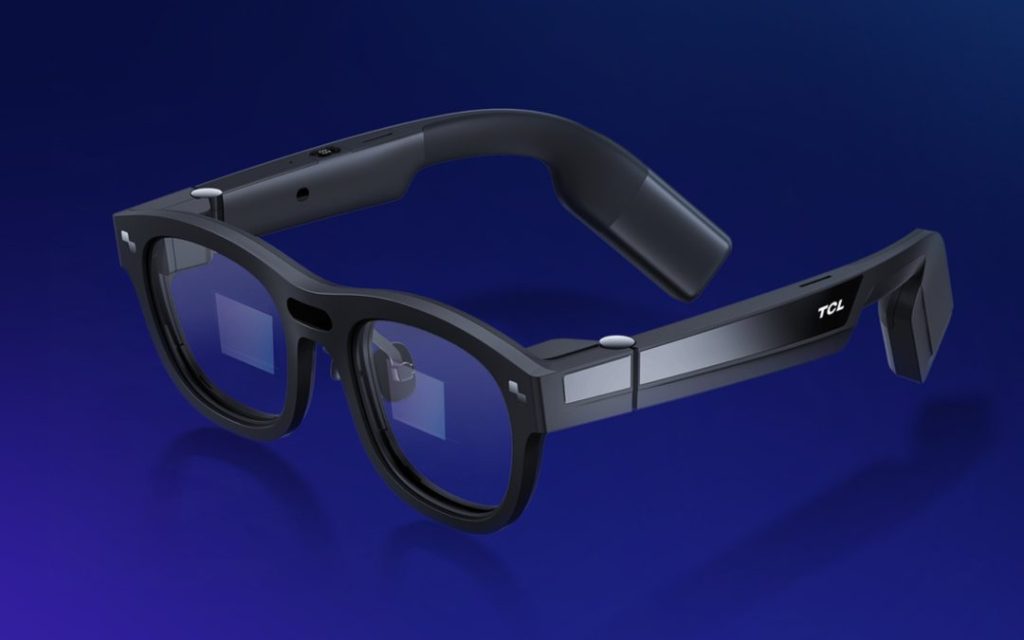
Quick verdict
The short answer
The RayNeo X2 is the closest thing to “real” augmented-reality glasses you could actually buy in 2026. It runs standalone — Snapdragon XR2, 6GB of RAM, full-color Micro-LED waveguide displays — with live multi-language translation floating in your vision, 3D navigation, gesture control, and a GPT-powered assistant. It’s genuinely impressive and genuinely compromised: about two hours of battery, a 25° field of view, and a $499 price for technology that still feels like a developer preview. Buy it to live in the future early; don’t buy it as a daily driver. Think of it as a developer kit you can wear in public: the demos — translation subtitles floating over a conversation, directions drawn on the street — are the real product, and they’re remarkable. The two-hour battery and postage-stamp field of view are the price of admission to 2028, today.
This is a research-based review. We have not tested the RayNeo X2 hands-on; every fact below comes from the manufacturer’s published specs, pricing, and independent reporting. Prices and specs checked September 30, 2026.
Key specs
| Spec | RayNeo X2 |
|---|---|
| Platform | Qualcomm Snapdragon XR2 (standalone, no phone required for core AR) |
| Memory / storage | 6GB RAM / 128GB storage |
| Display | Binocular full-color Micro-LED optical waveguide |
| Resolution (per eye) | 640 x 480 |
| Field of view | 25 degrees |
| Brightness | Up to 1,000 nits |
| Contrast | 100,000:1 (per manufacturer) |
| Camera | 16MP front-facing |
| Battery | About 2 hours (per manufacturer) |
| Weight | 119g |
| AI | GPT-based voice assistant, multi-language dialogue translation, gesture recognition, SLAM navigation |
| In the box | RayNeo Ring gesture controller, charging cable, companion app pairing |
Price and availability
RayNeo’s official store currently lists the X2 at $499 in the US. That’s a meaningful drop from its crowdfunding-era pricing — the Indiegogo campaign offered an early-bird price of $699 — so the current price is the best it’s ever been. RayNeo has teased newer models (the X3 Pro is mentioned in its own comparison content), but the X2 remains the flagship standalone AI+AR model you can actually buy today.
A note on what “standalone” really means for your wallet: there’s no phone required for the core AR experience, and no subscription attached to the hardware. The companion app is free and handles pairing, app downloads, and settings. The main ongoing cost is prescription inserts if you need them — RayNeo documents a partner route through Lensology starting around £79 — since the X2 doesn’t ship with corrective lenses. Given the crowdfunding history, buy from RayNeo’s official store or an authorized retailer rather than a random marketplace listing, where older backer units and pricing confusion still circulate.
What it’s good at
- Real standalone AR. No phone, no tether, no Beam puck: the Snapdragon XR2 runs apps, SLAM, and the assistant on your face. Among consumer glasses, that independence is still rare.
- Live translation in your vision. Multi-language dialogue translation — see subtitles for the person talking to you — is the X2’s signature trick and the demo that justifies the hardware. Reviewers call it effective.
- Bright, outdoor-usable display. At 1,000 nits with 100,000:1 contrast, the Micro-LED waveguide is readable in sunlight where dimmer OLED-birdbath glasses give up. The display is visibly sharp in person.
- Navigation with SLAM. On-face 3D navigation with simultaneous localization and mapping is the closest any consumer glasses get to the sci-fi promise — directions drawn on the world.
- Hands-free capture. The 16MP camera shoots photos and video while the assistant handles calls, messages, and music by voice. It’s a credible camera-glasses alternative with a display bolted on.
- Gesture control. The included RayNeo Ring gives you a physical gesture controller in the box — a nicer input story than touchpads or voice-only.
Where it falls short
- Two-hour battery. That’s the headline compromise. Standalone compute eats power, and at ~2 hours you plan AR sessions, not wear them all day.
- 25° field of view. The AR overlay is a postage stamp in the center of your vision. Tethered display glasses now reach 50°+; the X2’s window feels small once the novelty fades.
- 119g and chunky. Reviews describe it as chunkier than normal glasses — the XR2 and battery have to live somewhere — though the weight is balanced to stay comfortable.
- Low display resolution. 640×480 per eye is fine for text and UI, but it won’t impress anyone coming from a phone screen. Small text can strain.
- App ecosystem. A companion app with a modest catalog (Camera, Maps, Translate, AI Assistant, Scan, plus a few AR games) is not an app store. You’re buying hardware ahead of the software.
Who should buy it
Buy the X2 if you want the most complete standalone AR experience available to consumers: frequent travelers who’ll use live translation, AR developers and early adopters, and anyone who wants to see what the post-phone interface might look like. At $499 it’s cheaper than any headset delivering comparable independence — and unlike a headset, you can wear it on a plane without looking like you’re about to fly it.
Who should skip it
Skip it if you need all-day battery, want a big cinematic display (get XREAL 1S), need prescription lenses with a wide correction range (options are limited), or want a polished consumer experience. This is enthusiast hardware; the software still has rough edges and the battery is a hard limit. It’s also worth waiting if you’re AR-curious but not AR-committed — the next 18 months will bring more refined options, and the X2 will likely get cheaper still.
Verdict
The RayNeo X2 is the best standalone AR glasses a consumer could buy in 2026 — and the honest fine print is that “best available” and “ready for everyone” aren’t the same thing. The translation and navigation demos are genuinely magical; the 2-hour battery and narrow FOV are genuinely limiting. For $499, it’s the most exciting way to live two years in the future. Just bring a charger and realistic expectations — and buy it for what it does today, not the software roadmap. If that deal works for you, nothing else in AR is this fun.
Rating: 3.9/5
FAQ
Does the RayNeo X2 need a phone to work?
No — it’s standalone. The Snapdragon XR2, 6GB of RAM, and 128GB of storage run the OS and apps on the glasses. A phone and the companion app are needed for pairing, downloads, and some services. As of September 2026 the X2 remains the standalone flagship you can buy from RayNeo’s store at $499 — RayNeo has referenced a newer X3 Pro in its own materials, but it had not displaced the X2 at the time of writing, so it’s worth a quick check on rayneo.com before you buy in case the lineup shifts.
How is the live translation?
The X2 offers real-time multi-language dialogue translation displayed in your field of view, plus a visual-translation mode that overlays translated text onto signs and menus. Reviewers rate the translation features as one of the glasses’ strongest points.
How long does the battery last?
RayNeo rates the X2 at about 2 hours of use. It’s the biggest practical limitation of the device.
Can I get prescription lenses?
RayNeo documents prescription routes through its partner Lensology, with inserts/lens frames starting around £79. Confirm your exact prescription with your optician before ordering.