
Quick verdict
Our AI gadget coverage is research-based: we synthesize expert reviews, user reports, and manufacturer specs. Hands-on testing notes are added whenever we’ve used a device ourselves.
Ray-Ban Meta smart glasses: what to know before you buy
Verdict up front: Ray-Ban Meta are still the easiest smart glasses to recommend in 2026 — they look normal, capture hands-free, and put Meta AI in view of what you see. Buy the current Gen 3 (from $449, up to 9 hours) for the longest battery, or Gen 2 (from $379, up to 8 hours) to save $70. The $799 Display model is for early adopters who specifically want text in the lens. Prices and specs below were re-checked on October 28, 2026.
Of every AI gadget launched in the last three years, exactly one became a mainstream hit: the Ray-Ban Meta smart glasses. More than 7 million AI glasses sold in 2025, per EssilorLuxottica. Here’s what they actually do, who they’re for, and what to watch out for.
What they are
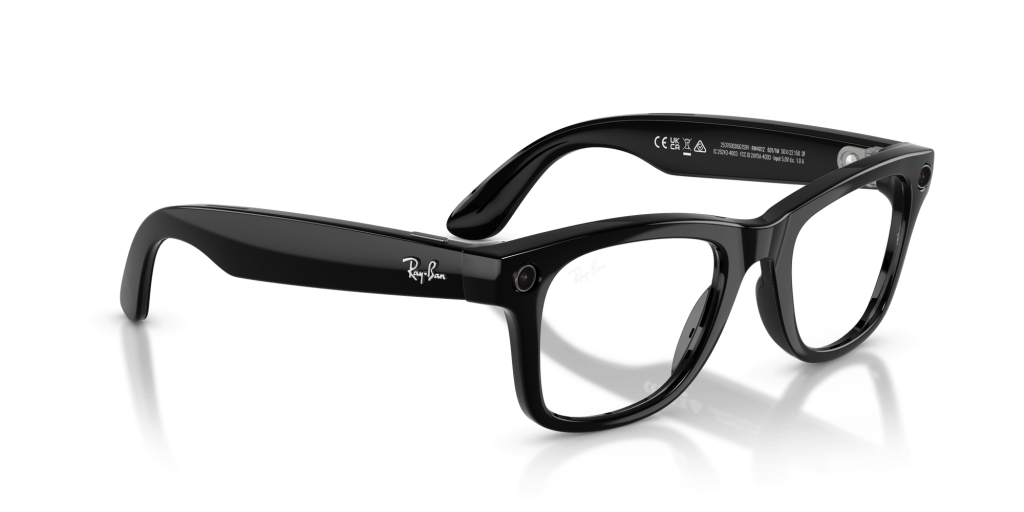
Classic Ray-Ban Wayfarer-style frames with a camera, open-ear speakers, microphones, and Meta AI built in. Say “Hey Meta” and ask what you’re looking at, translate a sign in real time, capture a photo or video, or just chat. They pair with your phone — they’re a companion, not a replacement.
What they’re good at
- Real-time translation of conversations and signage — the standout feature for travelers.
- Contextual questions: look at a landmark, a menu, a plant, and ask about it.
- Hands-free capture: photos and short videos from your point of view, genuinely useful for creators, parents, and DIYers.
- Social acceptability: they look like normal sunglasses. This turned out to be the killer feature.
The catches
- Battery life is measured in hours of active use, not days — Gen 2 is rated up to 8 hours (plus up to 48 hours from the case) and Gen 3 up to 9 hours, but heavy camera/AI use drains them faster.
- The AI needs your phone nearby with a data connection.
- You’re wearing a Meta camera on your face: worth thinking about for everyone around you.
- Prescription lenses and transitions add cost and complexity.
Gen 2, Gen 3 and the Display version
Gen 2 (from $379, launched September 2025) doubled the original’s battery to up to 8 hours and raised video to 3K. Gen 3 (from $449, on sale September 23, 2026) adds a 6-microphone array and up to 9 hours. Above both sits the Meta Ray-Ban Display ($799, Neural Band included): the same idea plus a 600×600 in-lens display in the right lens and the Neural Band wrist controller for gesture input, with about 6 hours of mixed use. Impressive, newer, and priced for early adopters. See also our Ray-Ban Meta Gen 3 review and our Meta Ray-Ban Display review.
Who should buy
Travelers, creators, and anyone who wants AI assistance without reaching for a phone. If you’ve ever wished you could ask about what you’re seeing without breaking stride, this is the device that delivers it today.
Where to buy: Amazon, Best Buy, Meta.com, Ray-Ban stores (pricing varies by frame and lens options)
Not every AI gadget earns its price — see our AI gadgets to avoid in 2026 for the other side of the market.
Sources: EssilorLuxottica 2025 results, Meta store and product materials, re-checked October 28, 2026.