
Quick verdict
The short answer
The Withings BodyScan 2 is the most ambitious smart scale ever sold: a 90-second “longevity station” that measures 60+ biomarkers — segmental body composition across six zones, 6-lead ECG, heart-age and vascular-age scores, hypertension-risk notifications, blood oxygen, and metabolic markers — all displayed on a color screen in the retractable handle. At $599.95 it’s triple the price of a good smart scale, and the deepest insights (Heart Age, Glucose Resilience, AI health assistant) sit behind the Withings+ subscription. For quantified-health obsessives and GLP-1 users tracking muscle preservation, nothing else comes close. For everyone else, it’s a magnificent overkill.
This is a research-based review. We have not tested the Withings BodyScan 2 hands-on; every fact below comes from the manufacturer’s published specs, pricing, and independent reporting. Prices and specs checked September 30, 2026.
Key specs
| Spec | Withings BodyScan 2 |
|---|---|
| Scan time / biomarkers | 90-second full scan; 60+ biomarkers and health insights |
| Body composition | Segmental fat and muscle mass across 6 body zones (arms, legs, torso, abdomen); ≥99% fat-mass correlation with DEXA in Withings’ internal testing |
| Cardiovascular | 6-lead ECG with AFib detection, Heart Age (impedance cardiography), Vascular Age (pulse wave velocity), hypertension-risk notifications |
| Metabolic | Visceral fat index, basal metabolic rate, Glucose Resilience score, nerve response score (electrodermal conductance) |
| Oxygen | SpO2 via multi-wave PPG sensor in the handle |
| Electrodes / display | 8 ITO electrodes in glass platform + 4 stainless steel in retractable handle; 3.2″ 640×172px color LCD in handle |
| Precision / capacity | 50 g (0.1 lb) graduation; 5–200 kg (11–440 lb) |
| Connectivity | Wi-Fi 802.11 b/g/n; Bluetooth Smart Ready (coming); auto-recognizes up to 8 users |
| Battery | Rechargeable Li-ion, up to 1 year per charge per official spec page |
| Size / weight | 12.8 × 14.1 × 0.7 in; 4.8 kg; reinforced aluminum chassis, tempered glass |
| Subscription | Withings+ $9.95/month or $99.50/year; 1-month free trial included; unlocks Heart Age, Glucose Resilience, AI health assistant, lifetime guarantee |
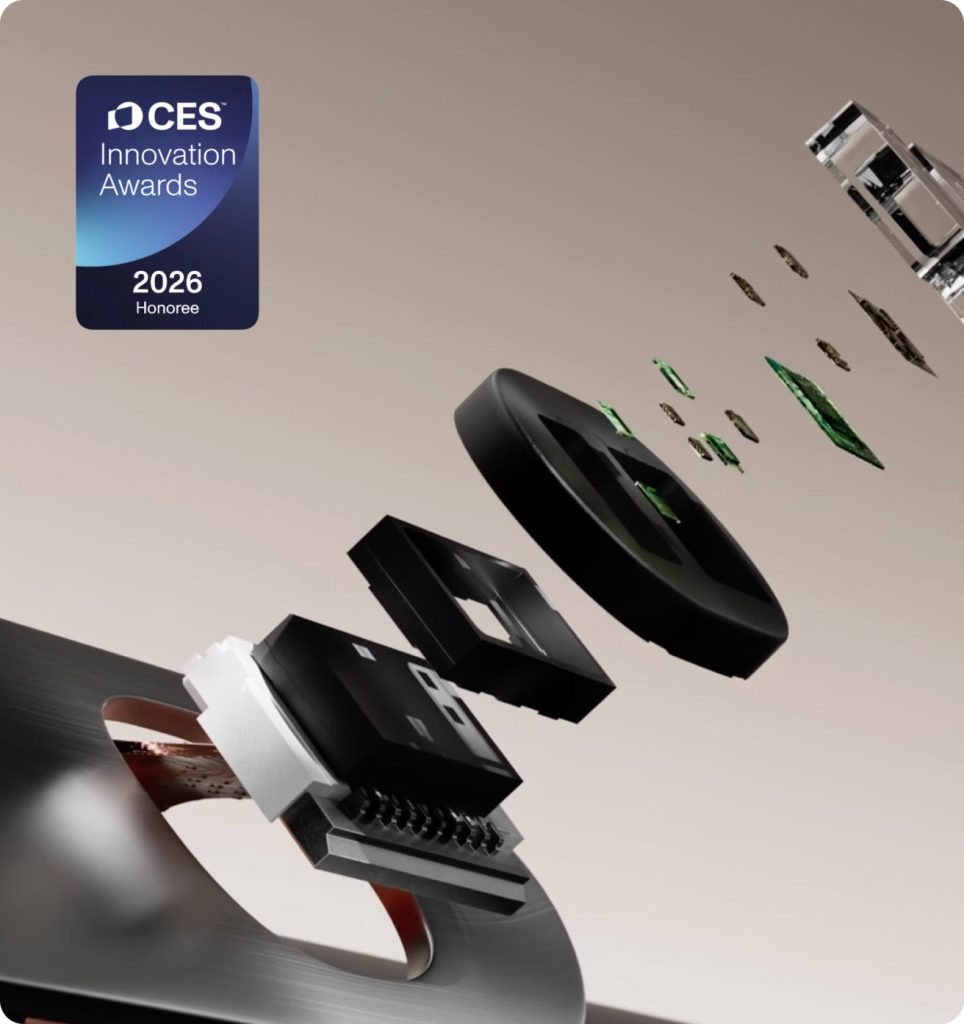
| Extra | HSA/FSA eligible; 2-year warranty; Apple Health / Google Health Connect compatible; CES 2026 Innovation Award winner |
Price and availability
The BodyScan 2 sells for $599.95 at withings.com (in stock in the US since July 15, 2026; UK £449.95), and is rolling out to retailers like Amazon, Boots, and Currys. The original Body Scan remains available at $499.95 if you want the simpler predecessor. Withings+ costs $9.95/month or $99.50/year after the included one-month trial. It’s HSA/FSA eligible, which meaningfully softens the price for many buyers. Confirm current availability and pricing on withings.com.
What it’s good at
- An unmatched breadth of home biomarkers. No other consumer device puts segmental body composition, 6-lead ECG, impedance cardiography, bioimpedance spectroscopy, SpO2, and nerve-function assessment into one 90-second morning ritual. The 99% DEXA correlation claim (internal testing) puts its body-composition accuracy in a different league from foot-only scales.
- Segmental data changes the story. Knowing your total body fat is trivia; knowing you’re losing muscle specifically in your legs is actionable. The six-zone breakdown — and Withings’ explicit positioning for GLP-1 users monitoring muscle loss — is the most useful body-composition feature any scale has offered.
- Cardiovascular early-warning, done responsibly. Heart Age, Vascular Age, AFib detection, and hypertension-risk notifications are framed as screening signals to discuss with a doctor, not diagnoses — the right posture, and genuinely useful for catching silent risk factors like arterial stiffness that you’d never feel.
- The handle display fixes the worst smart-scale UX. Readings appear on the 3.2″ color screen at hand level instead of forcing you to squint at your feet or wait for the phone app. Automatic user recognition for up to 8 people means the household just steps on.
- Privacy posture is serious. GDPR/HIPAA-aligned with ISO 27001 and ISO 27701 certifications — meaningful when a device is collecting ECG and metabolic data daily.
Where it falls short
- $599.95, plus a subscription for the best scores. Heart Age and Glucose Resilience — two headline features — require Withings+. The hardware is expensive and the insights have a tail cost, which stings on a device you already paid a premium for.
- Screening, not diagnosis — know the difference. Withings is careful about this, but buyers should be too: hypertension notifications and AFib flags are prompts for medical follow-up, not answers. Anxiety-prone users may find 60 biomarkers a source of worry rather than insight.
- Measurement technique matters. Bare feet, dry skin, no rings, stand still, same time daily — the full protocol is fussy, and sloppy technique degrades the fancy metrics first. The device is only as good as your ritual.
- It’s big and heavy. At 4.8 kg and over 14 inches long, it’s a substantial bathroom object, not a scale you tuck away. Small bathrooms beware.
Who should buy it
Quantified-health enthusiasts who’ll actually read 60 biomarkers. GLP-1 users who need to monitor muscle preservation zone by zone. People with cardiovascular risk factors (or family history) who want daily screening signals between doctor visits. Withings ecosystem users who’ll feed the data into an existing health dashboard.
Who should skip it
Anyone who just wants weight and body-fat trends — a $100–$150 scale does that fine. The subscription-averse (the best insights need Withings+). People who’ll stress over every flagged metric; more data isn’t always more peace of mind. Small-bathroom owners.
Setup and living with it
Place the scale on a hard, flat floor, pull the retractable handle to hip level, and step on barefoot — the handle’s haptic guidance walks you through positioning. First setup pairs the scale to Wi-Fi (2.4 GHz) via the Withings app and takes about ten minutes. The scale auto-recognizes up to 8 users, so household members just step on. For best results, Withings advises measuring at the same time daily, with dry hands and feet, no rings, and standing perfectly still — the full 90-second Longevity Scan is more technique-sensitive than a quick weigh-in.
Daily ownership is genuinely pleasant: step on, watch color-coded results appear on the handle display at eye level, step off. The app aggregates the 60+ biomarkers into trends, Health Trajectory scoring, and (with Withings+) Heart Age and Glucose Resilience. The rechargeable battery lasts up to a year per Withings’ spec page, so charging is a rare event. One practical note: at 4.8 kg and over 14 inches long, this is a substantial bathroom object — plan its parking spot. And remember the framing: hypertension notifications and AFib flags are screening prompts for your doctor, not diagnoses.
Alternatives worth considering
The original Withings Body Scan ($499.95, still sold) drops the handle display, SpO2 sensor, and the newest scores while keeping segmental composition and 6-lead ECG — a sensible save of $100 if the 2’s upgrades don’t excite you. The Withings Body Smart ($129.95) covers weight, full body composition, heart rate, and visceral fat for a fifth of the price — the right call for trend-trackers who don’t need ECG or segmental data. The Garmin Index S2 ($149.99) is the pick for Garmin ecosystem users who want body data inside Garmin Connect. What none of these match is the BodyScan 2’s combination of segmental analysis, cardiac screening, and metabolic scores in one device — whether that’s worth $600 depends entirely on whether you’ll act on the data.
Verdict
The BodyScan 2 is the most capable home health device in its class by a wide margin, and the segmental composition alone justifies it for the right buyer. But it’s a $600 scale with a subscription — buy it for the insights you’ll actually act on, not the spec sheet. 4.5/5
FAQ
What does the BodyScan 2 measure?
Over 60 biomarkers: segmental body composition (6 zones), 6-lead ECG with AFib detection, Heart Age, Vascular Age, hypertension-risk notifications, SpO2, visceral fat, BMR, nerve response, hydration, and more.
Do I need Withings+ to use it?
No — core measurements and data storage are free. Withings+ ($9.95/month or $99.50/year) unlocks Heart Age, Glucose Resilience, the AI health assistant, personalized trend analysis, and a lifetime guarantee.
Can it diagnose heart conditions?
No. ECG, AFib, and hypertension features are screening tools; any flag is a reason to see a doctor, not a diagnosis.
How is it different from the original Body Scan?
The 2 adds an in-handle color display, SpO2 sensor, improved bioimpedance spectroscopy, expanded segmental measurements, and new scores (Heart Age, Glucose Resilience). The original remains on sale at $499.95.