
Quick verdict
The Fitbit Edge is Google’s new middle wearable: a slim fitness tracker with a real screen, built-in GPS, ECG, and up to seven days of battery life for $179.99. Announced on October 12, 2026, it sits between the screenless Fitbit Air and the Pixel Watch, and it is effectively the Charge 6’s successor. The headline twist is repairability — this is Google’s first Fitbit with a user-replaceable battery. Based on the launch specs and pricing, it looks like the tracker to beat at this price, with a few deliberate cuts to know about before you preorder.
What is the Fitbit Edge?
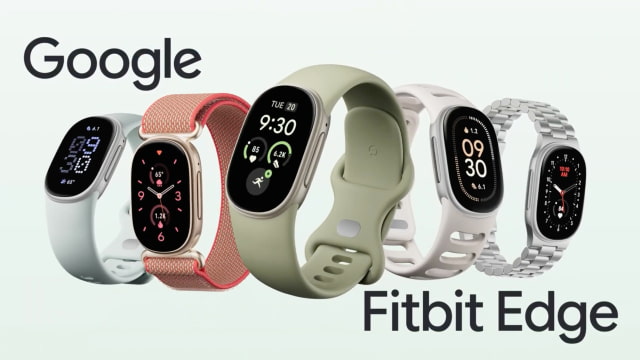
The Edge is a band-style tracker with a 1.34-inch AMOLED touchscreen — Google calls it a Hybrid OLED and says it offers 46% more viewing area than previous Fitbit trackers. The recycled aluminium case is 11.5mm thick and, per Google, 45% lighter than the Apple Watch Series 12. A physical side button handles actions like pausing a workout, which matters with wet or gloved hands. It is rated 5 ATM and IP68, so pool and open-water swims are covered. Four finishes are available — Obsidian, Fog, Olive and Canyon — plus a Stephen Curry Special Edition at $219.99. Charge 6 bands do not fit; the attachment is new.
Health and fitness tracking
The sensor set is flagship-grade for a tracker: built-in multi-system GPS, an altimeter, continuous optical heart rate, an on-wrist ECG app, SpO2, a dedicated skin temperature sensor, HRV and sleep-stage tracking. The exercise app covers more than 50 modes with on-screen pace, heart-rate zones and splits, and automatic detection can recognise up to 100 activities. In the Google Health app, the Gemini-powered Health Coach explains pattern changes and adapts training plans, while Health Guardian watches blood pressure and insulin resistance trends and flags high or low heart rate — trend features Google positions as general wellness, not diagnosis, with availability varying by region.
Battery life and repairability
Google rates the Edge at up to seven days per charge (its figure is based on testing with Battery Saver settings; expect roughly two days with the always-on display lit). Five minutes on the magnetic charger adds about a day of use, and a full charge takes around 90 minutes. When the 65mAh cell eventually wears out, it can be replaced instead of scrapping the tracker — a first for Fitbit, and the strongest long-term value argument here.
What the Edge leaves out
There is no NFC, so no contactless payments. There is no microphone or speaker, so it cannot take calls — it shows notifications, with quick replies on Android only. The Charge 6’s EDA stress sensor is gone, and there is no Wi-Fi; it connects over Bluetooth 5.4 to Android 11+ or iOS 16.4+ phones. Google Maps turn-by-turn directions and media controls are included.
Pros and cons
- Pros: Built-in GPS and ECG at $179.99; big, bright screen in an 11.5mm case; up to 7-day battery that is user-replaceable; 5 ATM/IP68; three months of Google Health Premium included.
- Cons: No NFC payments, microphone or speaker; no EDA sensor; always-on display cuts battery to about two days; the best coaching requires Google Health Premium ($9.99/month or $99.99/year after the trial).
Who should buy the Fitbit Edge?
Buy it if you want serious health and GPS tracking in something slimmer and cheaper than a smartwatch, and you like the idea of replacing a battery instead of a device. Charge 6 owners should upgrade only if the bigger screen, altimeter or repairability matter — the core tracking is an evolution, not a leap, and you lose payments and EDA in the move.
Frequently asked questions
How much does the Fitbit Edge cost? $179.99 in the US, or $219.99 for the Stephen Curry Special Edition. Preorders opened October 12, 2026, with retail availability from October 27.
Does the Fitbit Edge have GPS? Yes — built-in multi-system GPS records runs, walks and rides without your phone, and an altimeter tracks elevation.
Does the Fitbit Edge work with iPhone? Yes. It pairs with iPhones running iOS 16.4 or later and Android phones running Android 11 or later, through the Google Health app. Quick replies to messages are Android-only.
Can you replace the Fitbit Edge battery? Yes. Google describes the Edge as its first repairable Fitbit, with a modular design and a user-replaceable battery.
Price and availability
The Fitbit Edge costs $179.99 and is available to preorder now from the Google Store and retailers including Amazon, ahead of its October 27, 2026 release. Every purchase includes three months of Google Health Premium. Prices checked October 2026.