
Quick verdict
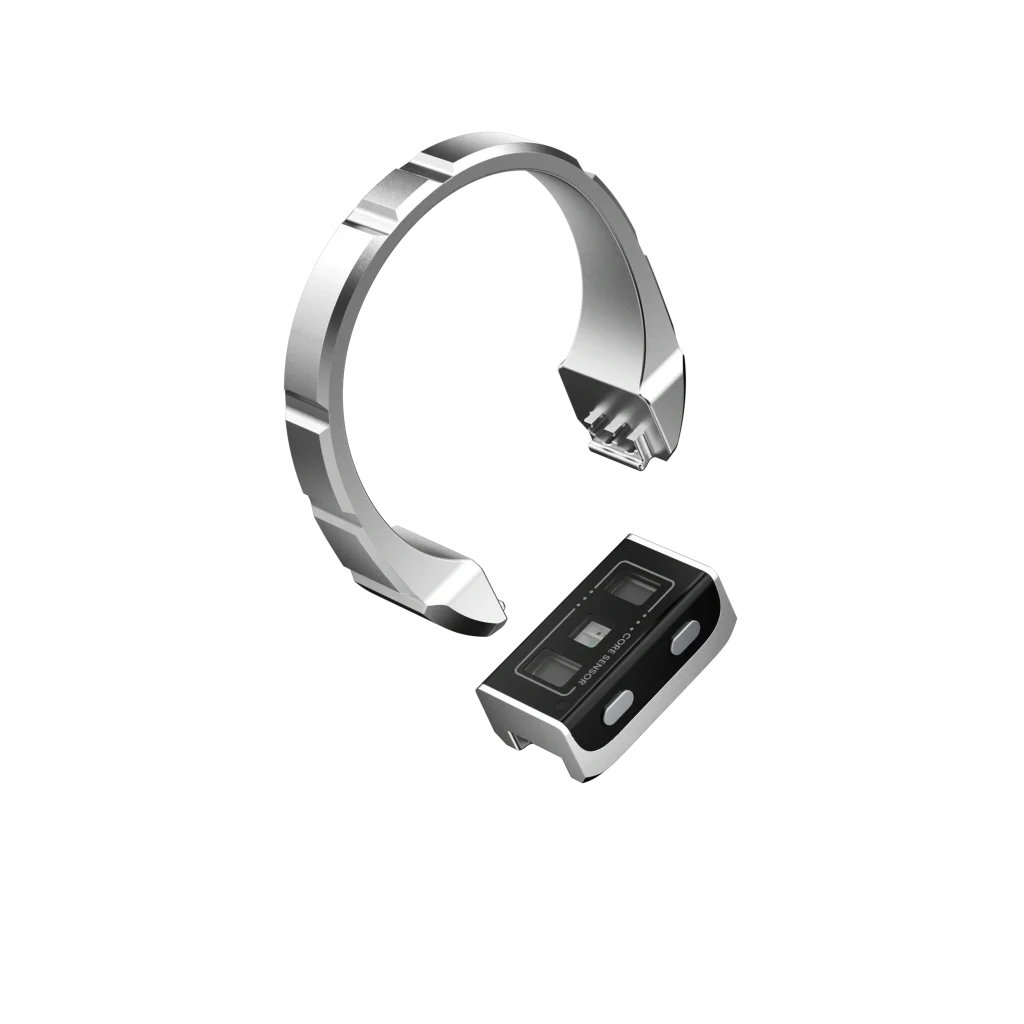
The Alloop Trio is a modular health wearable built around one tiny 2.4-gram sensor — the Cube — that you move between a wristband by day and a ring for sleep, with a tap-to-speak Halo module for voice logging and a personal AI health agent in the app. It launches on Kickstarter on November 10 at $299, subscription-free, with shipping estimated for late December 2026 to early January 2027. This review is based on Alloop’s official pre-launch page, CNET’s launch coverage and the company’s announcement, not hands-on testing.
What is the Alloop Trio?
US startup Alloop announced the Trio on October 21, 2026, positioning it as an AI-native, modular alternative in a crowded smart-ring and fitness-band market. The system has four hardware pieces: the Cube sensor, a wristband, a ring, and Halo, a feedback module that adds tap-to-speak, light patterns and haptic reminders.
You wear it three ways: wristband with Cube and Halo for voice logging and richer notifications; wristband with just the Cube for discreet continuous tracking; or Cube snapped into the ring, the most compact configuration, which Alloop pitches as ideal for sleep. The same sensing core follows you between forms, so your data stays continuous instead of splitting across two devices.
Key features
- One 2.4g Cube: PPG optical sensing that moves between band and ring in seconds, per Alloop.
- Core health metrics: Resting heart rate, heart rate variability, blood oxygen, respiratory rate and temperature, rolled into sleep, recovery, strain, activity and nutrition views.
- Bio Age: 18 measurements across six health categories, including nutrition, combined into a biological-age estimate with the contributing factors shown.
- Tap-to-speak voice journal: Double-tap Halo to log a workout, meal, supplement or how you feel by voice, photo or text — no phone in hand.
- Personal AI health agent: Connects sensor data with what you log to explain what matters and build a plan that adjusts for travel or busy weeks. Alloop states the Trio is subscription-free, data is encrypted, and users can access, export or delete it.
Who it’s for
People torn between a Whoop-style band and an Oura-style ring, sleep trackers who hate wearing a band at night, and subscription-fatigued buyers who want health insights without another monthly fee. The iOS and Android app also works with Apple Watch and other devices, so you can try the software side before the hardware ships.
What to watch out for
- Crowdfunding risk and timing: The $299 price is a Kickstarter early-bird pledge from November 10, “subject to change” per CNET, and shipping is an estimate — late December 2026 to early January 2027 — not a retail shelf date.
- A tiny sensor makes trade-offs: A core small enough for a ring necessarily limits battery and sensor room; Alloop pushes extra functions into Halo and the app to compensate.
- Unvalidated accuracy: Sleep, recovery and Bio Age claims have no independent testing yet. Treat the scores as trends, not medical readings — Alloop itself lists its SOC 2 and ISO/IEC 27001 work as in progress.
Pros and cons
Pros
- One sensor, three ways to wear it — no band-vs-ring compromise
- Subscription-free at a $299 crowdfunding price
- Voice, photo and text logging for meals, supplements and feelings
- Bio Age and recovery views in one iOS/Android dashboard
Cons
- Kickstarter launch — shipping is estimated, not guaranteed
- No independent accuracy or sleep-lab validation yet
- Swapping a 2.4g Cube daily is a small part you could lose
Frequently asked questions
How much does the Alloop Trio cost?
Starting at $299 as a Kickstarter crowdfunding pledge from November 10, 2026, subject to change.
When does the Alloop Trio ship?
Shipping is estimated for late December 2026 to early January 2027.
Does Alloop Trio need a subscription?
Alloop markets the Trio as subscription-free. Its app is free to use with optional AI add-ons, per the company’s pre-launch page.
What does the Cube measure?
Resting heart rate, HRV, blood oxygen, respiratory rate and temperature, which the app turns into sleep, recovery, strain, activity, nutrition and Bio Age views.
Price and availability
The Alloop Trio launches as a Kickstarter campaign on November 10, 2026, starting at US$299, with shipping estimated for late December 2026 to early January 2027. As with any crowdfunding pledge, that is an early-bird backing, not a retail purchase with a guaranteed delivery date.
No Amazon link is included today because an exact listing could not be verified live at publish time.