
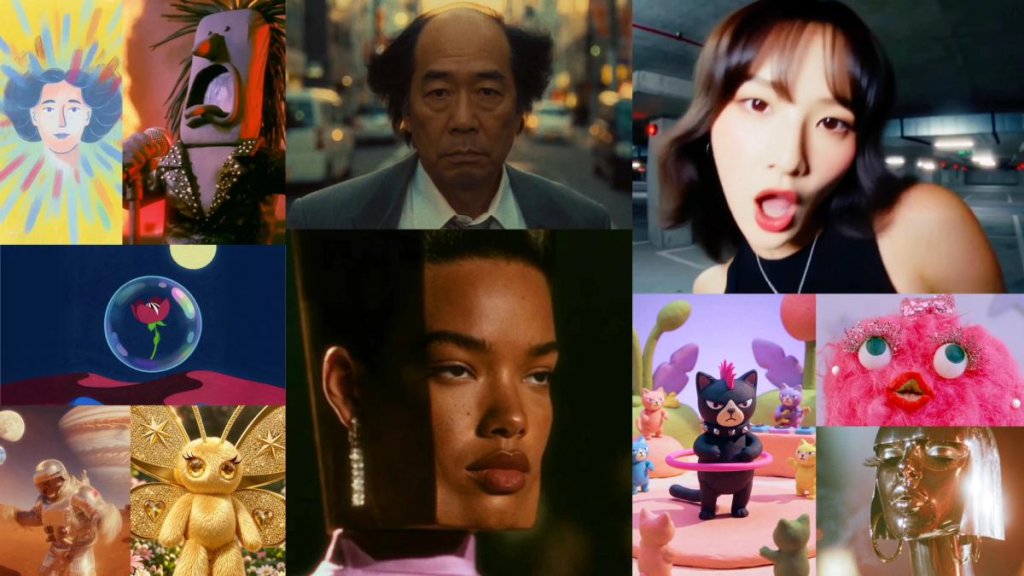
November 18, 2026 — Suno, the AI music platform, has launched Visuals, a tool that turns songs made on Suno into AI-generated images and short videos — including lyric videos that lip-sync to the track. Why it matters: Suno is no longer just a music generator; with October’s Speech beta and now video, it is building a full creative suite around a song, and charging for each layer separately.
What happened
Suno announced Visuals on Tuesday, November 17. Users can create lyric videos, album art and video clips of up to 15 seconds from a song in their Suno library. According to Suno, the video model is built around music: clips are designed to follow a song’s structure, respond to its lyrics and lip-sync to them, and lyric videos can move with the beat. Users can start from Suno’s own characters or upload an image, then extend and edit clips using text prompts. Visuals launched on the web; reports differ on mobile timing, with some coverage saying the iOS and Android apps carry it from launch and others that the apps follow in the coming weeks.
The details
Visuals runs on H3 Move, a model based on MiniMax’s H3 and adapted for Suno. It uses its own credit system, bought separately from Suno’s song credits — so making the video for a song costs extra on top of making the song. Pro and Premier subscribers receive a temporary allotment to try the feature, according to coverage of the launch.
The launch comes with a new layer of guardrails. Suno says it has adopted text and visual filters intended to block prompts and uploads that try to depict specific artists, public figures, copyrighted works or other intellectual property — acknowledging that prompts which work on other video platforms may fail on Suno, “and that’s by design.” Generated images and videos are checked against Suno’s Community Guidelines before users see them, videos carry hidden watermarks before they can be shared off-platform, and Suno continues to work with Audible Magic, ACRCloud and Musixmatch to block uploads containing copyrighted audio.
The context Suno can’t escape
The choice of underlying model adds a wrinkle: MiniMax faces active copyright infringement lawsuits from Disney, Universal and Warner Bros. Discovery over its earlier Hailuo models, and a federal judge earlier this year refused to dismiss the studios’ case. Suno itself is fighting multiple copyright battles over music training — it has settled with Warner Music and launched models trained on licensed songs from its Warner and BMG deals, while other litigation continues. A video tool that can be prompted toward famous faces and characters is exactly the surface those lawsuits are about, which explains why the filters lead Suno’s own announcement.
Why it matters
For Suno’s users, Visuals removes the most annoying step in releasing an AI song: leaving the platform to make the video and artwork somewhere else. For Suno, it is a second revenue stream attached to every track — separate Visuals credits, sold on top of song credits. And for the wider AI music fight, it is a test case: whether a platform under copyright fire can ship image and video generation with filters strict enough to keep artists’ likenesses out. If the filters hold, Visuals is the template for how AI music tools expand. If they don’t, Suno has handed its litigants a new exhibit.
Frequently asked questions
What is Suno Visuals?
A new Suno feature, launched November 17, 2026, that generates images and videos up to 15 seconds long for songs made on Suno — including lyric videos, album art and clips that can lip-sync to a track.
Does Visuals cost extra?
Yes. Visuals uses its own credits, purchased separately from the credits used to generate songs. Paid subscribers received a temporary allotment to try it at launch.
What model powers Suno Visuals?
H3 Move, Suno’s adaptation of MiniMax’s H3 video model, tuned so clips follow a song’s structure and lyrics.
Can Visuals depict real artists or copyrighted characters?
Suno says new text and visual filters are designed to block prompts and uploads depicting specific artists, public figures, copyrighted works and other IP, and outputs are screened before users see them.
Sources: The Verge (via syndicated coverage); Digital Music News; Unite.AI; Suno announcement, November 17-18, 2026.