
Quick verdict
SiteAware Review 2026: AI Verification That Catches Errors Before They Get Covered Up
Updated November 10, 2026 – Tested Intelligence
Quick verdict: SiteAware is an AI quality platform that verifies installed work against the plan as you build, in three passes – core, shell and interiors – and flags deviations while they are still cheap to fix. It is built for large general contractors and developers who lose real money to rework. Pricing is not public, and the value depends entirely on catching errors before the next trade covers them up.
What it is
SiteAware, founded in 2015 as Dronomy and based in Houston, sells Digital Construction Verification: turn the approved plans into tagged data, scan what was actually installed, and compare the two continuously instead of discovering mismatches at punch list time.
The platform is organised around the way buildings go together. Core covers structural work, including real-time concrete verification on every pour. Shell covers the facade layer by layer, so issues are caught before the swing stage moves on. Interiors covers clearances, layouts, rough-ins and systems before walls are closed, and documents what sits behind the finishes.
What the marketing does not make obvious: verification starts with Plan Tagging. Because CAD and BIM standards differ between firms, SiteAware first translates the plans into a common language in its Build-to-Plan system, turning every element – down to sleeves, gaskets and embeds – into a data point. That tagging is the foundation everything depends on, so plan quality and tagging time belong in any evaluation.
Key features
- Digital Construction Verification comparing installed work to the plan in real time (vendor claim)
- Plan Tagging and Build-to-Plan, converting plans in different CAD and BIM standards into one tagged database
- Automated 3D scanning of structural elements, MEPF, facade layers and interior installations, designed to run in the background as work proceeds
- Core, Shell and Interiors verification stages, including concrete verification and pre-close wall checks
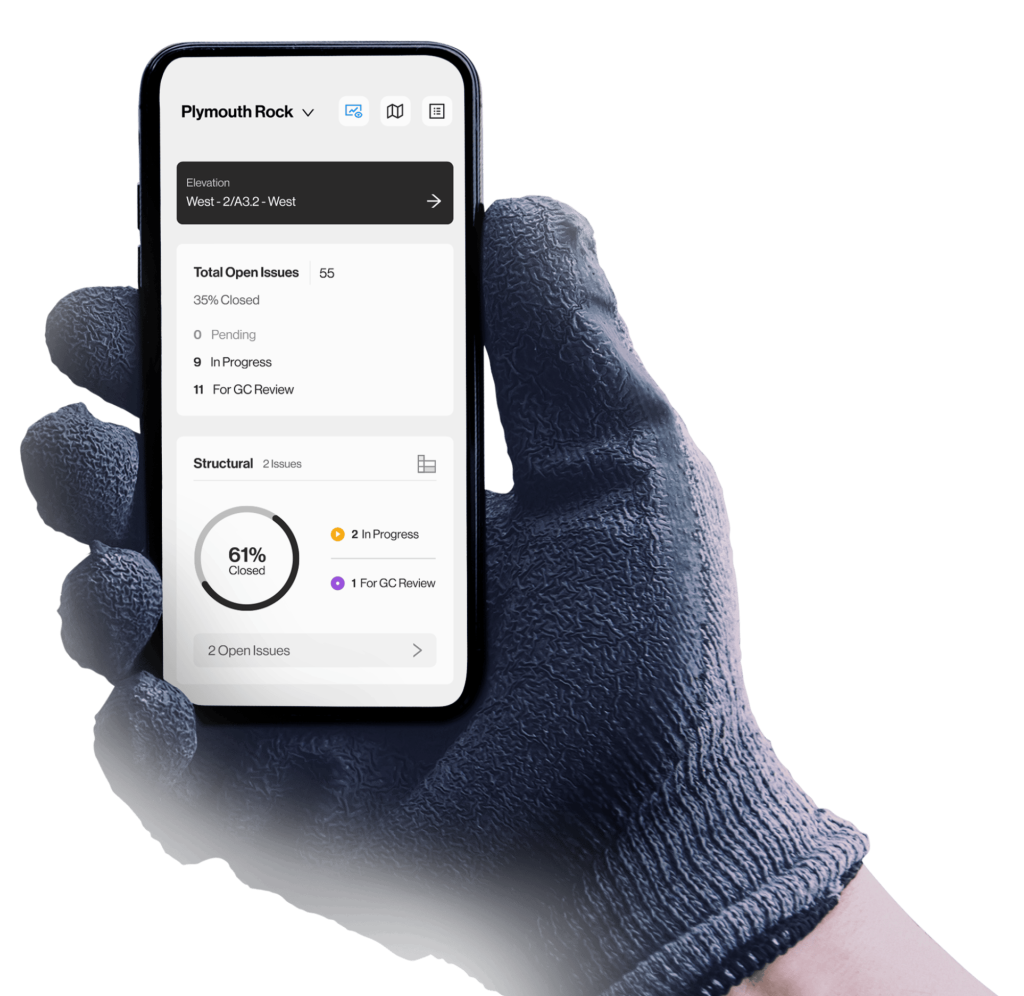
- Real-time deviation alerts with actionable items pushed to the project team
Pricing
Pricing is not public. SiteAware publishes no prices or plans; the route in is a demo and a direct quote, scoped to the project. Get the scope in writing: which stages are included, how often scanning happens, and what plan tagging covers. Do not budget from third-party directory figures, which we could not verify against the vendor.
Who it’s for
Large general contractors, developers and owners building complex commercial projects – towers, hospitals, campuses – where a misplaced embed costs far more than the verification itself, and where errors are usually found late, after follow-on work has buried them.
Who should skip it
Small builders and remodelers. If your projects are small, single-trade or plan-light, a plan-tagging and scanning programme is overhead you will not recover. Skip it too if your plans are loose or change daily without disciplined updates – a verification system is only as good as the plan it verifies against.
Pros
- Checks work while it can still be fixed cheaply, before cover-up
- Core / shell / interiors staging matches real construction sequence
- Plan tagging handles mixed CAD and BIM standards instead of demanding one format
- Documents what is behind finishes, which pays off in disputes and warranty work
Cons
- No public pricing; every deal starts with a demo and a quote
- Aimed at large projects – small jobs will not justify the programme
- Value depends on disciplined, current plans; messy plan sets weaken it
- Public evidence is largely vendor-led; independent long-term reporting is limited
FAQ
How is SiteAware different from a 360 photo tool like OpenSpace?
Photo tools document the site; SiteAware verifies it. It tags the plan, scans installed work and flags deviations automatically, instead of leaving you a walkthrough to inspect yourself.
Does SiteAware need a BIM model?
Not in one fixed format. Plan Tagging converts plans into its own common data language. Ask in the demo what formats and plan quality your project needs.
How much does SiteAware cost?
Pricing is not public. SiteAware sells by demo and quote, scoped to the project. Confirm which verification stages, scan frequency and tagging work are included before comparing it with any rival quote.
Bottom line
SiteAware is a serious rework-prevention platform for big, plan-driven projects: tag the plan, scan the work, fix deviations before they get covered. If late discovery is your expensive problem, it deserves a demo. If your jobs are small or your plans informal, it is more system than you need.