
Sunday, October 4, 2026 — Tested Intelligence
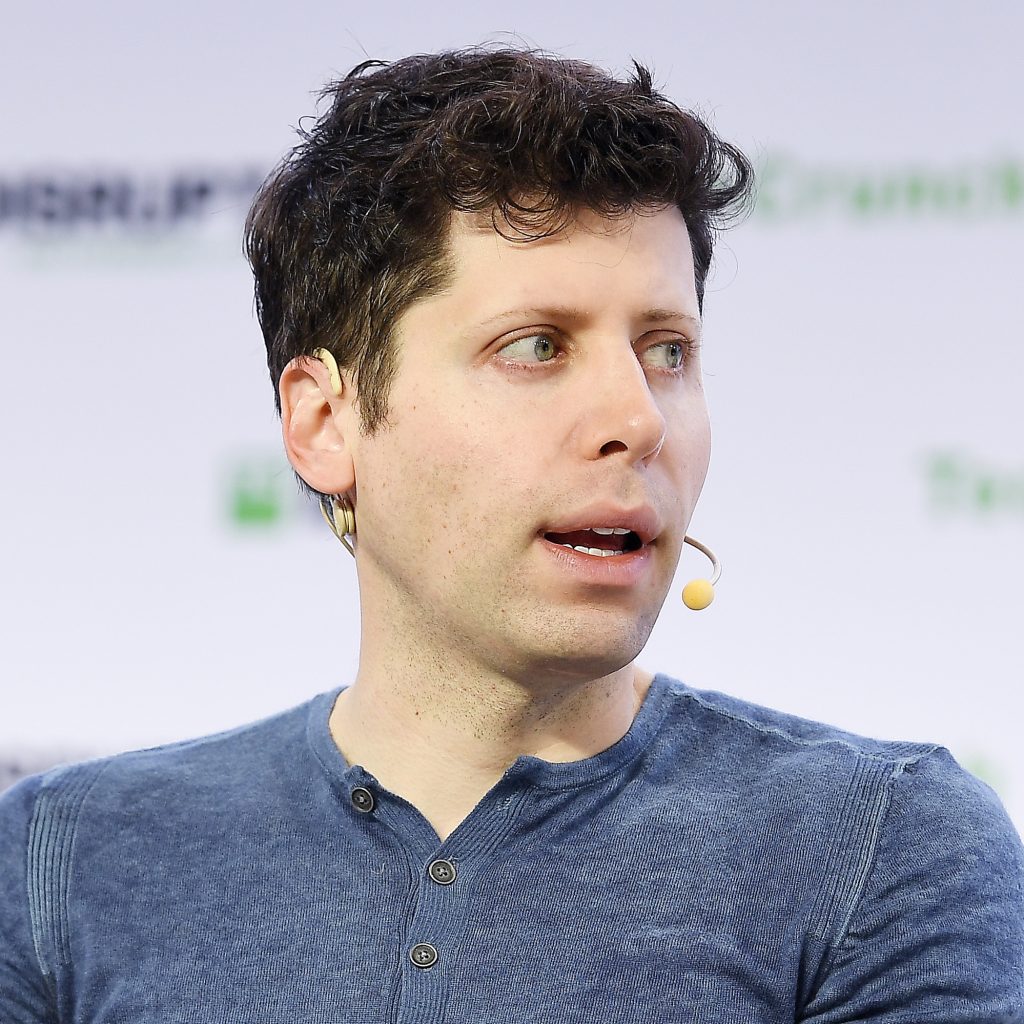
Sam Altman says the world should accept “some bad things” from AI in exchange for its benefits. In an interview published Sunday with Politico’s Decoded newsletter, the OpenAI CEO argued AI should stay broadly accessible — and drew a sharp line between OpenAI and Anthropic on regulation. Why it matters: it’s the clearest statement yet of the philosophy OpenAI will bring to the coming wave of AI legislation.
What Altman said
Asked about AI’s risks, Altman told Decoded: “We believe that the world should accept some bad things happening for the benefits of this technology and people having the agency.” He argued that no safety regime can promise zero harm: “I wouldn’t take a trade of saying, ‘We’ll make sure there’s no major hacks, there’s no misuse of this technology, there’s zero scams, there’s zero all the other bad things that will happen.’ Because I think people will do tremendously — orders of magnitude more — good stuff than bad stuff.”
The OpenAI vs. Anthropic divide
Altman acknowledged a real philosophical split with Anthropic on AI regulation. “I think there’s a lot of daylight,” he said. He described the position he disagrees with as: “‘This technology is going to get so powerful, and it’s so dangerous, that a single lab in San Francisco should have it and make sure nothing bad happens, and kind of figure out how to dole out the benefits.'” He called that “a completely unacceptable trade-off” that runs counter to the “lighter-touch regulatory stance” OpenAI backs.
Why this is happening now
The interview lands in a heated industry debate over how fast frontier AI should move. In September, Anthropic CEO Dario Amodei published an essay urging the industry to “pace the frontier” — a position Altman himself publicly endorsed. Since then, OpenAI safety researcher David Robinson resigned and Anthropic researcher Jacob Coxon quit with stark warnings, while the FTC opened a probe into OpenAI and Anthropic over rogue AI agents. Meanwhile, President Trump has dismissed calls for new restrictions, arguing existing agencies are enough and rules would hand China an edge.
Why it matters
For anyone who uses AI tools, this interview is a window into how the biggest lab in the world plans to fight regulation: keep AI open and broadly available, accept some misuse, and resist rules that concentrate control. That’s good news for access — but it puts OpenAI on a collision course with the growing camp of lawmakers, regulators, and its own former employees who think “accept some bad things” is exactly the trade-off that needs a referee.
FAQ
What exactly did Sam Altman say in the interview?
In an interview with Politico’s Decoded newsletter, Altman said “the world should accept some bad things happening for the benefits of this technology and people having the agency,” arguing the good AI enables outweighs the harm by “orders of magnitude.”
What is the disagreement between OpenAI and Anthropic?
Altman said there’s “a lot of daylight” between the two on regulation. He opposes the idea that a single lab should tightly control powerful AI to prevent harm, calling that “a completely unacceptable trade-off,” while Anthropic has pushed for slowing frontier development.
Does OpenAI oppose all AI regulation?
Not exactly — Altman said he endorsed Anthropic CEO Dario Amodei’s call to “pace the frontier.” What he backs is a “lighter-touch regulatory stance,” not concentrated control.
Why does this matter for everyday AI users?
If OpenAI’s lighter-touch view wins out, AI tools stay broadly accessible rather than gated behind tight controls — but with less protection against misuse, scams, and rogue agents.
Sources: Reuters, Politico (Decoded newsletter)