
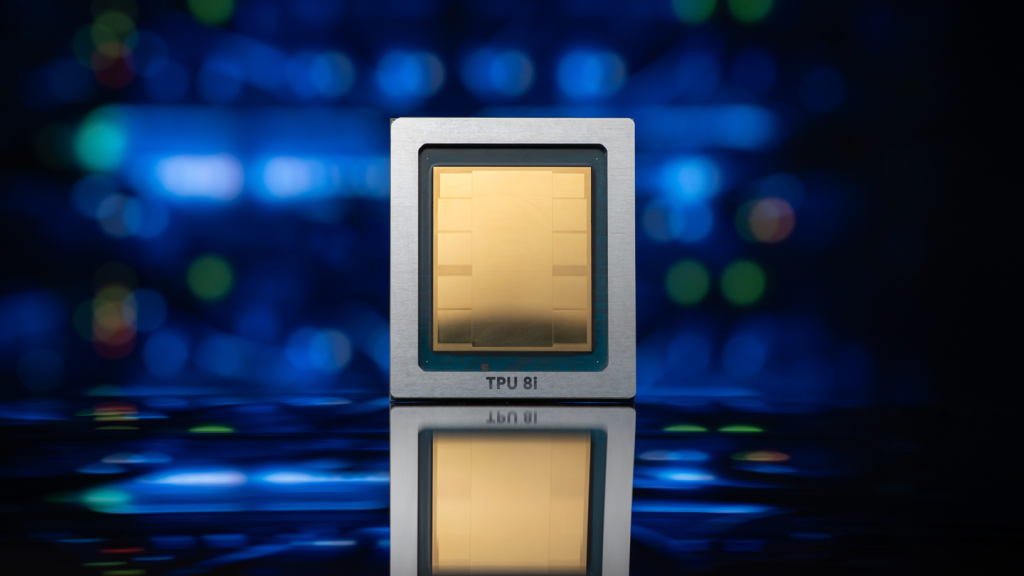
OpenAI plans to buy Google’s AI chips outright, according to a report from The Information carried by Reuters on Tuesday, October 27 — a step up from renting Google’s Tensor Processing Units (TPUs) through Google Cloud. Why it matters: OpenAI is one of Nvidia’s biggest customers, and buying a rival’s silicon directly would deepen its push to diversify the hardware behind ChatGPT.
October 27, 2026
What happened
The Information reported, citing a person familiar with the matter, that OpenAI plans to purchase Google’s AI chips as technology companies ramp up spending on data centers and semiconductors to meet surging demand for AI computing. The report did not disclose financial terms or other details of the planned purchase.
Neither company confirmed the plan. Google did not immediately respond to a Reuters request for comment outside regular business hours, and OpenAI declined to comment. That makes this a reported plan, not an announced deal — worth watching, but not yet a signed contract anyone has put on the record.
From renting TPUs to buying them
This would not be OpenAI’s first run on Google hardware. Reuters reported in June 2025 that OpenAI had begun renting Google’s AI chips — its first meaningful use of non-Nvidia chips — to run ChatGPT and other products, with the goal of lowering the cost of inference, the everyday computing used to answer users.
Buying chips outright is a deeper commitment than renting cloud capacity. Renting can be dialed up or down; owning the hardware means optimizing your models for that architecture for the long haul. Reporting around the story points to a public signal in that direction: OpenAI is hiring a software engineer for TPU compilers in San Francisco, a role described as leading the optimization of its frontier models on TPUs.
Why Google’s TPUs are gaining ground
Google’s TPUs are custom chips designed specifically for AI workloads, and they have gained traction as an alternative to Nvidia’s market-leading GPUs, which most of the industry — OpenAI included — relies on to train models and run inference. Google began selling TPUs directly to some customers this year, turning what was once a cloud-only advantage into a product other companies can install themselves.
Timing adds context: Alphabet, Google’s parent company, reports its quarterly results on Wednesday, and investors are looking for signs that its heavy AI investment is driving growth in its cloud business. A marquee customer buying TPUs outright is exactly the kind of signal they are watching for.
Why it matters
For readers, the practical take is simple: the AI chip market is no longer a one-supplier story. If OpenAI — Nvidia’s highest-profile customer — is willing to buy a direct rival’s chips, it validates TPUs as a serious second source and pressures pricing and availability across the industry. More competition for compute tends, over time, to mean cheaper and more plentiful AI services. For now, treat the purchase as reported and unconfirmed: no terms, no quantities, and no comment from either company. We will update this story if Google or OpenAI confirms it.
Frequently asked questions
Did OpenAI confirm it is buying Google’s chips?
No. OpenAI declined to comment and Google did not immediately respond. The plan comes from The Information, citing a person familiar with the matter, as reported by Reuters.
What is a TPU?
A Tensor Processing Unit is Google’s custom AI chip, designed for training and running AI models. It is the main alternative to Nvidia’s GPUs for large-scale AI computing.
Has OpenAI used Google chips before?
Yes. Reuters reported in June 2025 that OpenAI had begun renting Google’s AI chips through Google Cloud. Buying them outright would be a step beyond that rental arrangement.
How much is the deal worth?
Unknown. The report did not disclose financial terms, quantities, or a timeline.
Sources: Reuters, The Information