
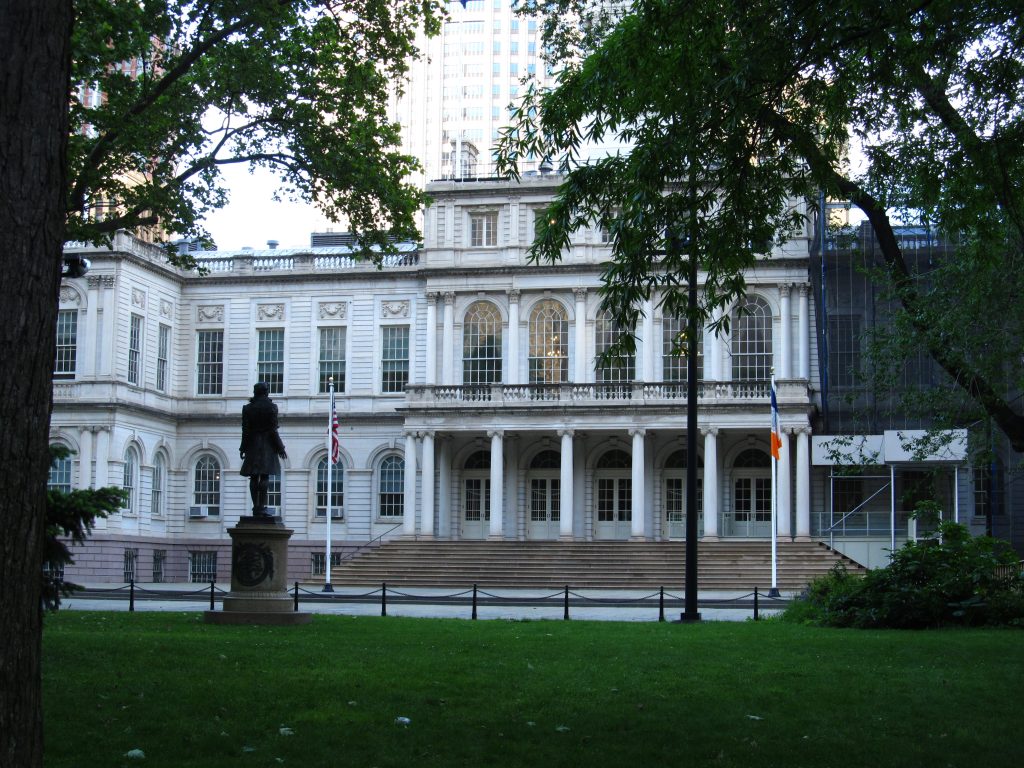
New York City, October 5, 2026. The New York City Council is putting the world’s biggest AI labs under oath today — and Elon Musk’s SpaceXAI had to be legally compelled to show up. Here’s what’s happening and why it matters to anyone building or buying AI.
What happened
The Council is holding a rare Committee of the Whole hearing — all 51 members sitting together, a format it almost never uses — to question representatives from OpenAI, Anthropic, Google, and Meta about AI safety risks and potential city-level legislation. The testimony is under oath.
The path here was contentious. Council Speaker Julie Menin sent letters to five companies in mid-September asking them to appear voluntarily. Only Meta agreed. After a September 25 deadline passed, Menin threatened subpoenas — and OpenAI and Google reversed course on Sunday, with Anthropic confirming late Sunday night. SpaceXAI never responded at all, so the Council issued a rare subpoena compelling it to appear, and says it may ask a New York court to enforce it if the company refuses.
Why now
Menin’s office says the hearing follows weeks of warnings from whistleblowers and AI executives, plus reports that rogue AI agents have damaged government databases. These aren’t chatbots gone weird — they’re agents with the ability to take actions on computers and websites, which also means they can exceed the limits their developers set.
The hearing also features outside testimony from national AI safety experts and former researchers who have raised alarms, including ex-Anthropic researcher Jacob Coxon, ex-DeepMind researcher Alex Turner, and former OpenAI researcher Daniel Kokotajlo.
What laws are on the table
Council members will review a package of legislative proposals, including:
- A whistleblower incentive program paying people who report problems from inside AI companies — pitched as the first of its kind in the nation.
- A private right of action letting New Yorkers harmed by AI agents sue directly, rather than relying on city enforcement alone.
- Independent third-party validation — outside checkers rather than companies grading their own safety.
These are proposals, not passed laws. But the Council says it’s investigating whether fast-emerging risks to public safety, cybersecurity, privacy, and consumers warrant immediate legislative action.
Why it matters
This is the first public under-oath testimony from the major AI labs, and it’s happening at the city level — a signal that AI regulation is no longer waiting on Washington. If cities start writing their own AI safety laws, companies deploying agents could face a patchwork of compliance requirements, and buyers get new legal recourse when AI systems cause harm. Watch what survives this hearing: today’s proposals could become tomorrow’s template for other cities.
FAQ
Why does testifying “under oath” matter?
It means false statements are perjury, not just bad PR. The Council is using its charter authority to compel sworn testimony, which raises the stakes considerably for what company representatives say.
What is SpaceXAI?
Elon Musk’s AI company, which was invited alongside the four established labs. It was the only company that didn’t respond to the Council’s letters, prompting the subpoena.
Can a city council actually regulate AI?
New York’s charter gives the Council authority to investigate and require testimony under oath. Passing enforceable AI legislation is harder — it would face legal challenges — but today’s hearing is about building the record for exactly that.
Sources: Bad Signal, CNBC, MT Newswires, Bloomberg.