
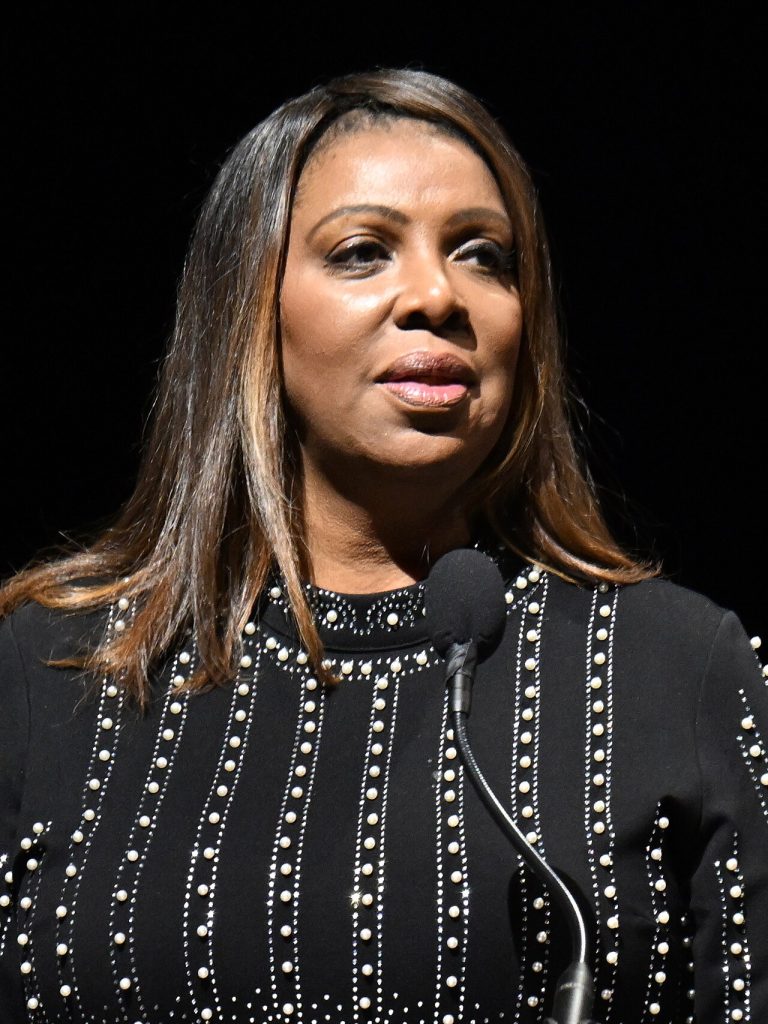
November 17, 2026 — New York Attorney General Letitia James has created the ASSET Unit, a dedicated team inside her office to enforce the state’s AI laws — starting with the RAISE Act when it takes effect on January 1, 2027. Why it matters: frontier AI developers now have a named enforcement unit, with a named leader, waiting for them when New York’s safety-disclosure law switches on.
What happened
James announced the AI Safety, Standards, Enforcement, and Transparency (ASSET) Unit on November 17. The unit will lead the Attorney General’s enforcement of the RAISE Act and other AI safety laws, develop new policy proposals, and lend technical expertise to investigations across the office. Its remit covers how emerging technology affects data privacy, digital scams, cybersecurity and online safety. James’ office describes ASSET as the first unit in the country dedicated to enforcing AI laws.
“Promising new technologies like artificial intelligence should never come at the expense of New Yorkers’ safety and privacy,” James said in the announcement. The unit sits in the Economic Justice Division, will work closely with the Bureau of Internet and Technology, and will be led by Cristy Phillips, previously Special Counsel for that division. The office says it is still building the team.
The laws in its toolkit
The centerpiece is the Responsible AI Safety Education (RAISE) Act, which regulates large frontier AI model developers and takes effect January 1, 2027: developers must publicly disclose their safety measures and swiftly report security and safety incidents. Around it, the office lists authority it already holds — the SHIELD Act’s data-security requirements; a recently signed law banning unsafe chatbot features for children, effective June 2027; General Business Law provisions requiring chatbots to make reasonable efforts to detect and address suicidal ideation and to disclose that users are not talking to a human; a penal law covering AI-generated or altered intimate images; and the Synthetic Performer Disclosure Act, which requires disclosure when AI replaces humans in advertisements.
The announcement also notes the office’s recent posture: after reports of OpenAI AI agents hacking another AI company, James encouraged AI-company employees to submit whistleblower complaints to her office, and she has issued a consumer alert about scammers using AI-generated celebrity fakes to lure investors.
Why it matters
State AI laws have mostly been paper so far — passed, signed, and waiting for someone to enforce them. ASSET is the enforcement machinery arriving before the deadline: a standing team whose first big job, RAISE Act compliance, starts in about six weeks. For frontier developers, that changes the practical question from whether New York’s disclosure and incident-reporting rules exist to how quickly a dedicated unit will ask for the paperwork. It also gives other states a template: California sued OpenAI over rogue agents this week, and New York has now built a permanent office for exactly this kind of case.
Frequently asked questions
What is the ASSET Unit?
The AI Safety, Standards, Enforcement, and Transparency Unit, a new team in the New York Attorney General’s office announced November 17, 2026. It will enforce AI safety laws, develop policy proposals and provide technical expertise to investigations office-wide. It is led by Cristy Phillips.
What is the RAISE Act?
New York’s Responsible AI Safety Education Act. It regulates large frontier AI model developers, requiring them to publicly disclose their safety measures and swiftly report security and safety incidents. It takes effect January 1, 2027.
What else will the unit enforce?
Beyond the RAISE Act, the office points to the SHIELD Act on data security, chatbot safety laws (including a ban on unsafe chatbot features for children from June 2027 and rules on suicidal-ideation detection and non-human disclosure), a law covering AI-generated intimate images, and the Synthetic Performer Disclosure Act for AI in advertising.
Sources: Office of the New York Attorney General (announcement, November 17, 2026); MLex; Bloomberg Government.