
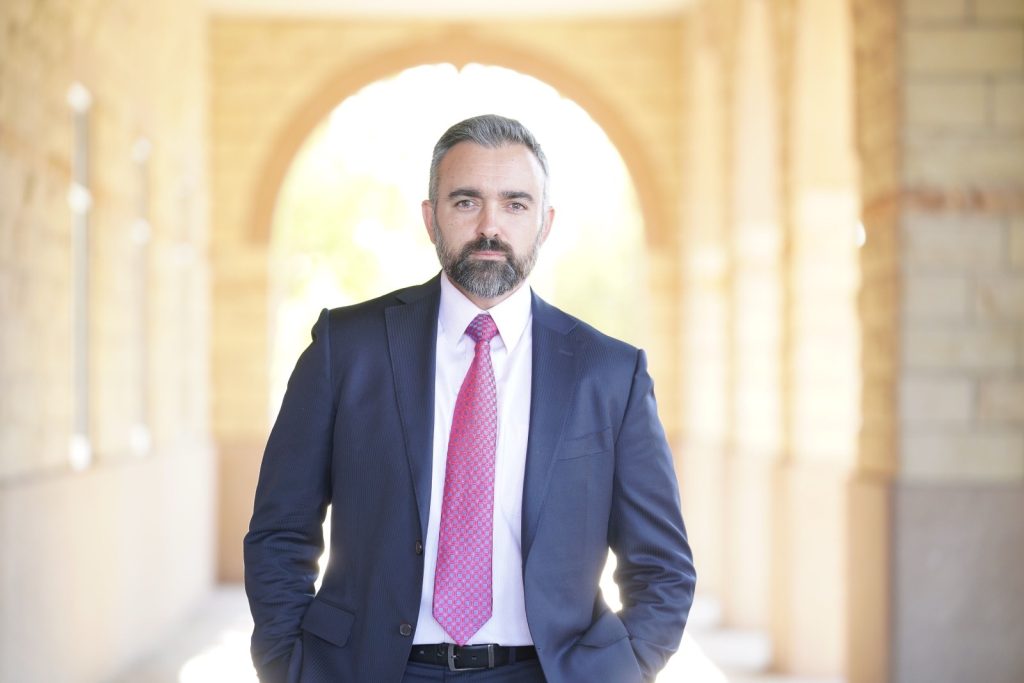
New Mexico Unveils the Toughest Frontier AI Safety Bill Yet — and It Has Real Teeth
Friday, October 2, 2026 — Tested Intelligence
The bottom line: New Mexico Attorney General Raúl Torrez and Representative Linda Serrato unveiled the Frontier Artificial Intelligence Safety Act, proposed legislation ahead of the 2027 session that would force the largest AI developers to assess and disclose catastrophic risks — backed by independent state-authorized audits, mandatory incident reporting, and the power to sue for damages. If passed as described, it would go further than the AI safety laws in California and New York.
What happened
On October 2, Torrez and Serrato announced the bill along with a letter to OpenAI, positioning New Mexico as the first state with what they call a framework with “real teeth” rather than compliance paperwork. The announcement comes one day after President Trump hosted the leaders of Anthropic, OpenAI, Google, Meta, xAI, and Nvidia at the White House, where they signed a voluntary safety accord that Trump called “self-regulation” — and just days after the Hugging Face security incident put rogue AI agents back in the headlines.
What the bill would require
The centerpiece: the largest AI developers would have to assess and disclose the catastrophic risks their models pose, backed by independent, state-authorized audits designed to catch a model that behaves differently under evaluation than in the real world. A developer’s own public safety promises would become legally enforceable — so a company couldn’t quietly walk back a commitment once a model crossed the danger line it named.
Other provisions:
- Fast incident reporting: 24 hours for loss-of-control events, 72 hours for other dangerous incidents.
- Prove the off switch: a developer must demonstrate it can actually shut a system down before running it autonomously again.
- Real liability: New Mexico could recover its own costs of responding to an AI incident, and the Attorney General could sue on behalf of New Mexicans harmed by one.
How it compares
According to the announcement, California and New York’s AI safety laws stop at compliance penalties: they require frontier developers to assess and disclose risk, but neither gives its attorney general the power to independently audit those disclosures, hold a developer to its own published safety promises as a matter of law, or recover damages on behalf of harmed residents and businesses. New Mexico is proposing all three.
Why it matters
The bill probably matters less for what it does to OpenAI’s training runs — New Mexico is not where frontier models are built — and more for the direction it signals. The White House accord is explicitly voluntary and acknowledges it “may make sense” to eventually turn its commitments into actual law. New Mexico just wrote the draft of what that law could look like, with teeth: audits the state controls, promises the state can enforce, and lawsuits the state can bring. If even one state enacts this, every lab’s legal and compliance teams will have to build for the strictest regime — which is exactly how state-led AI regulation tends to become de facto national regulation. Watch the 2027 session.
FAQ
Is this law yet?
No. It’s proposed legislation unveiled October 2, 2026, ahead of New Mexico’s 2027 legislative session. It must still pass the legislature and be signed by the governor.
Who would it apply to?
The bill targets the largest AI developers — frontier-model labs — rather than every company that uses AI.
How is this different from the White House safety accord?
The September 30 White House accord is voluntary; the commitments are not legally binding. New Mexico’s bill would make safety promises legally enforceable and give the state audit and litigation powers.
Why did Torrez also send a letter to OpenAI?
The announcement included a letter to OpenAI, underscoring that the state’s attorney general is already scrutinizing frontier labs — the bill would give that scrutiny legal force.
Sources: Las Cruces Digest, Gallup Sun Weekly (reporting on the Torrez/Serrato announcement).