
Quick verdict
The short answer
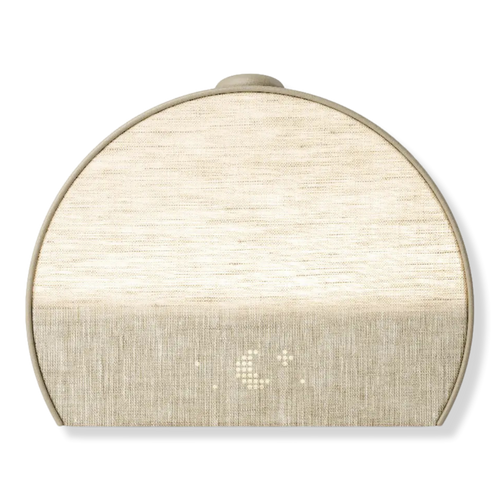
The Hatch Restore 3 is the best-designed sunrise alarm clock you can buy: a half-moon bedside device that pairs a gradually brightening light with sleep sounds and wind-down routines, controlled by a satisfyingly tactile Big Button instead of your phone. At $169.99 it’s not cheap, and the richest content sits behind a Hatch+ subscription, but the core sunrise alarm, included sounds, and routines work fine without it. If your goal is getting the phone out of the bedroom and waking up less groggy, this is the category leader.
This is a research-based review. We have not tested the Hatch Restore 3 hands-on; every fact below comes from the manufacturer’s published specs, pricing, and independent reporting. Prices and specs checked September 30, 2026.
Key specs
| Spec | Hatch Restore 3 |
|---|---|
| Sunrise simulation | Gradual warm-light brightening over ~30 minutes (~250 lux at 18 inches per third-party measurements) |
| Audio | Sleep sounds, wake-up sounds, white noise; meditations and expanded library via Hatch+ |
| Controls | Big Button (press + rotate dial), Swap button (up to 3 routines), Pause button, side light/alarm toggles |
| Sleep tracking | None (Hatch’s separate Sleep Clock handles tracking) |
| Colors | Putty, Greige, Cocoa |
| Connectivity | 2.4 GHz Wi-Fi; Hatch app for setup and customization |
| Power | Plugged in (no battery backup) |
| Subscription | Hatch+ $4.99/month or $49.99/year, optional, with free trial |
| Extra | HSA/FSA eligible device purchase; Amazon rating ~4.2 stars across 3,000+ ratings |
Price and availability
The Restore 3 costs $169.99 direct from Hatch and at retailers including Amazon, Target, Best Buy, and Ulta. It launched in January 2025 and remains the current model in 2026. The optional Hatch+ membership costs $4.99/month or $49.99/year after a free trial — it unlocks the full sound library, meditations, and a third saved routine, but the sunrise alarm, included sounds, and basic routines all work without it. The device purchase (but not the subscription) is HSA/FSA eligible.
What it’s good at
- The sunrise alarm genuinely eases wake-ups. Over about 30 minutes the Restore 3 ramps a warm light from a faint glow to full brightness before your audio alarm, mimicking dawn. Reviewers consistently report less sleep inertia and grogginess versus a phone alarm, and the light-science rationale (pre-wake light exposure reducing grogginess) is well established.
- Phone-free by design. The Big Button dial is the standout hardware upgrade over older Restores: press and rotate to control volume, snooze or stop the alarm, and start your wind-down routine. Once set up, you don’t need the app nightly — exactly the point of the device.
- The full wind-down ritual, not just an alarm. Sunset-style dimming light, sleep sounds (white noise, rain, ocean), and structured routines give your evening a repeatable cue. Multiple reviewers describe the routine as the feature that actually changed their bedtime habits.
- Works fine without the subscription. Unlike some sleep gadgets, the core value — sunrise alarm, included sounds, routines — is not gated. Hatch+ adds breadth (meditations, stories, more soundscapes), but owners who skip it still report the device earning its keep.
- Thoughtful details for light-sensitive sleepers. The clock display can be hidden entirely (a real feature for sleep-anxiety sufferers who clock-watch), the fabric-covered front LED looks like furniture rather than tech, and the dimmer doubles as a warm reading lamp.
Where it falls short
- It doesn’t track anything. If you want sleep scores or stage data, this is the wrong Hatch — you’ll need their separate Sleep Clock ($249). For $170, some buyers expect at least basic tracking.
- No battery backup. A power outage loses your time and settings, and there’s no internal battery to keep the alarm alive. For an alarm clock, that’s a meaningful weakness.
- Requires 2.4 GHz Wi-Fi. Setup and ongoing function lean on a maintained Wi-Fi connection, which is a friction point in some homes and a dealbreaker if your router lives far from the bedroom (5 GHz isn’t supported).
- The subscription paywall stings over time. The best sound content and the third routine live behind Hatch+. The free library is adequate, but reviewers describe the long-term experience as “Netflix for napping” if you want the premium catalog.
Who should buy it
Phone-alarm users who want the phone out of the bedroom for good. Groggy risers who feel hammered awake every morning and want a gentler, light-first wake-up. People building a consistent wind-down routine who value physical controls over another app. Light-sensitive sleepers who like the hidden-clock option.
Who should skip it
Anyone who wants sleep tracking or health data — look at the Hatch Sleep Clock or a wearable instead. Heavy sleepers who genuinely need a blaring alarm may find even the brightest sunrise too gentle (though audio alarms are adjustable). Budget shoppers can get a basic sunrise alarm for half the price, minus the routines and design polish.
Setup and living with it
Setup takes about ten minutes: plug it in, connect to 2.4 GHz Wi-Fi, and use the Hatch app to design your routines — pick a wind-down sequence (sunset dimming + sleep sounds), a sunrise profile, and alarm sounds. The physical Big Button then handles nightly life: rotate for volume, press to start or pause your routine, and press in the morning to snooze or stop. After the first week, most owners report barely opening the app except to tweak brightness or swap sounds.
Long-term ownership is where the Restore 3’s design pays off or shows its limits. The fabric-front, half-moon form factor genuinely looks like decor, and the hidden-clock option matters more than you’d expect if you’re prone to 3 AM clock-watching. The two weaknesses to plan around: there’s no battery backup, so a power blip can silence your alarm (pair it with a phone alarm as backup if your grid is flaky), and the richest sound content — meditations, stories, the newest soundscapes — lives behind Hatch+. The free library covers white noise, rain, ocean, and core wake sounds, which is enough for the device’s main job: getting you to sleep and waking you gently.
Alternatives worth considering
The Loftie Clock ($169.99–$199.99) is the direct rival: a superior two-phase audio alarm, Bluetooth speaker, and 5-hour backup battery — but no sunrise light unless you add the separate Loftie Lamp. The Hatch Sleep Clock ($249) is Hatch’s own step-up if you want contactless sleep tracking added to the routine formula. Budget shoppers can get a basic sunrise alarm for $60–$90 (Philips SmartSleep Wake-Up Light is the classic), though you’ll give up the wind-down routines, app polish, and phone-free controls. And if all you need is sound, a $25–$40 white noise machine plus your phone’s alarm covers the basics. The Restore 3’s case is the integrated ritual — light, sound, and routine in one handsome object — not any single feature.
Verdict
The Restore 3 is the rare gadget that changes how your mornings feel rather than just adding features. It’s overpriced relative to dumb sunrise clocks, but the combination of good hardware, the Big Button interface, and genuinely useful routines justifies the premium for the right buyer. 4.4/5
FAQ
Do I need a Hatch+ subscription for the Restore 3?
No. The sunrise alarm, included sleep sounds, and basic routines work without it. Hatch+ ($4.99/mo or $49.99/yr) adds meditations, sleep stories, more soundscapes, and a third saved routine.
Does the Hatch Restore 3 track sleep?
No. It’s a routine/alarm/sound device. Hatch sells the separate Sleep Clock ($249) if you want contactless sleep tracking.
What happens if the power goes out?
The Restore 3 has no battery backup, so it loses time and settings in an outage — its biggest practical weakness for an alarm clock.
Is it HSA/FSA eligible?
The device purchase is HSA/FSA eligible at major retailers; the Hatch+ subscription is not.
Where to buy
As an Amazon Associate we earn from qualifying purchases.