
Quick verdict
Google Nest Protect 2nd Gen Review 2026: The Smoke Alarm That Talks to You
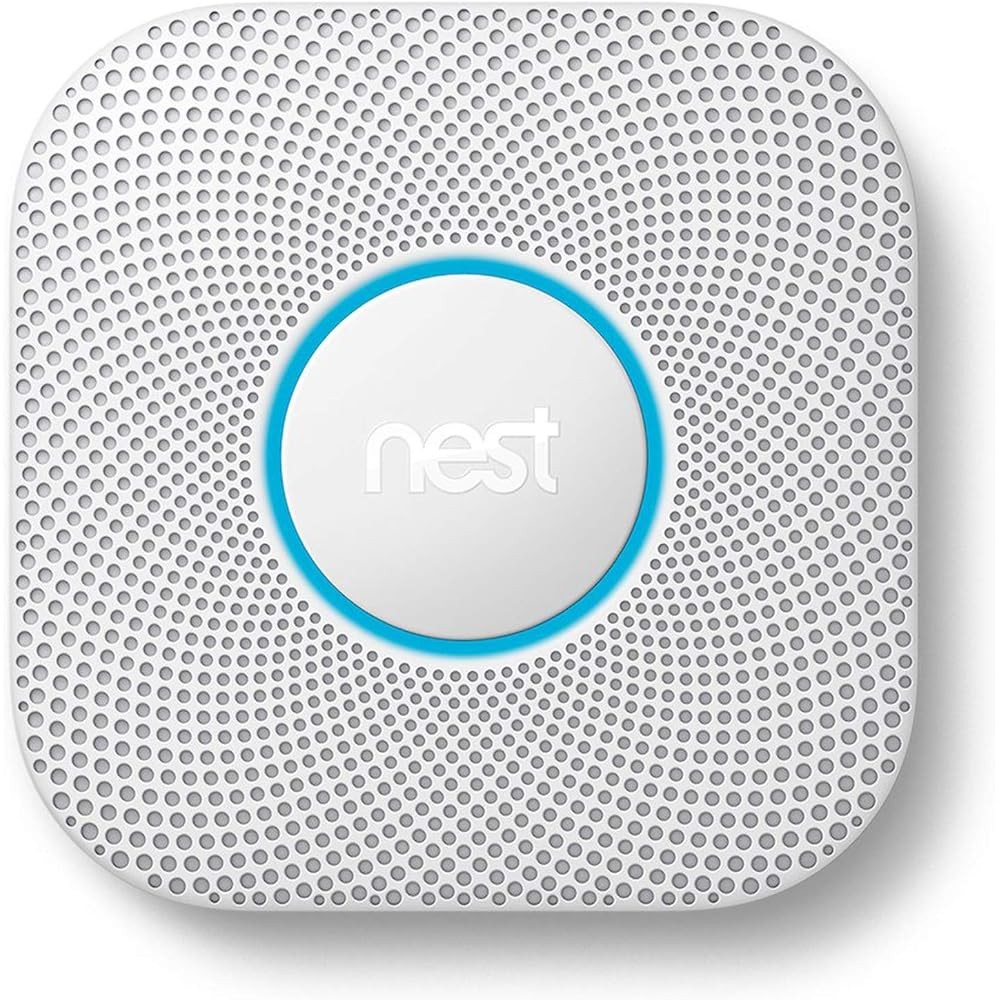
The Google Nest Protect (2nd Gen) reimagined the humble smoke alarm: instead of a panic-inducing shriek for burnt toast, it speaks to you in a calm human voice, telling you where the smoke is and how serious it is. It detects both smoke and carbon monoxide, tests itself automatically, sends phone alerts when you are away, and lights your path at night.
Safety devices rarely earn affection, but Nest Protect does. The Heads-Up early warning — a friendly voice before the full alarm — eliminates the false-alarm rage that makes people disable their detectors. App Silence lets you hush a nuisance alarm from your phone. It is the rare safety product that is both smarter and less annoying than the thing it replaces.
Key features that stand out
Voice alerts with location. Instead of just beeping, Nest Protect tells you in a human voice whether there is smoke or CO and which room it is in — critical information in an emergency.
Heads-Up early warning. For minor smoke (burnt toast, not a fire), you get a calm voice warning before the full alarm, so you can ventilate instead of panicking.
Smoke + carbon monoxide in one. A Split-Spectrum sensor detects both fast and slow-burning fires, plus an electrochemical CO sensor — two life-safety devices in one unit.
Phone alerts from anywhere. Get notified on your phone if the alarm sounds or batteries run low while you are away, with a 10-day safety history.
Pathlight nightlight. A motion-activated light illuminates your path when you walk underneath at night — a small delight in a safety device.
Who it’s for
Nest Protect is ideal for any homeowner who has ever ripped a smoke alarm off the ceiling in frustration — the early warnings and app silence solve the false-alarm problem that makes traditional detectors hated. It suits families who want remote monitoring while traveling, pet owners who worry about emergencies at home, and Google/Nest smart home users who get the bonus of thermostat integration (it can shut off a gas furnace on CO detection).
What to watch out for
It costs several times more than a basic smoke detector — outfitting a whole house is a real investment. The sensors have a finite lifespan (around 10 years), after which the unit must be replaced. And while setup is straightforward, the wired version requires existing alarm wiring or an electrician.
Pros and cons
Pros
- Human voice alerts with room location
- Heads-Up early warning reduces false-alarm rage
- Smoke + CO detection in one device
- Phone alerts and 10-day safety history
- Automatic self-tests — no monthly button pressing
- Pathlight doubles as a nightlight
Cons
- Much pricier than basic detectors
- Sensors expire after ~10 years; unit must be replaced
- Wired version needs existing wiring or an electrician
- Full smart features need the Google Home app
Frequently asked questions
What is the difference between Heads-Up and the alarm?
Heads-Up is a calm voice warning for minor smoke levels, giving you a chance to address it. The full emergency alarm sounds for serious smoke or CO levels.
Can I silence it from my phone?
Yes. App Silence lets you hush a nuisance alarm from the Nest app when there is only a little smoke.
How long does it last?
The sensors are rated for about 10 years. The unit monitors itself and will tell you when it reaches end of life.
Does it detect carbon monoxide?
Yes. It includes a 10-year electrochemical CO sensor alongside the Split-Spectrum smoke sensor.
Will it alert me when I’m away?
Yes. With Wi-Fi connected, it sends phone alerts for alarms, low batteries, and sensor status.
Price and availability
Check the current price and availability from major retailers.