
Quick verdict
Electro Scan SWORDFISH Review 2026: Machine-Intelligent Lead Pipe Detection Without Digging
Updated November 20, 2026 – Tested Intelligence
Quick verdict: SWORDFISH is Electro Scan’s handheld, machine-intelligent probe that pushes through a water service line from the meter or curb stop and identifies lead, galvanized, copper and plastic pipe by low-voltage electrical resistance — no excavation, no test pits. For plumbing and utility crews facing lead service line inventory deadlines, it is one of the very few commercially deployed answers. It is also capital equipment, not an app: a $70,000 MSRP has been reported for the unit, and current pricing is not published on the vendor’s product page.
What it is
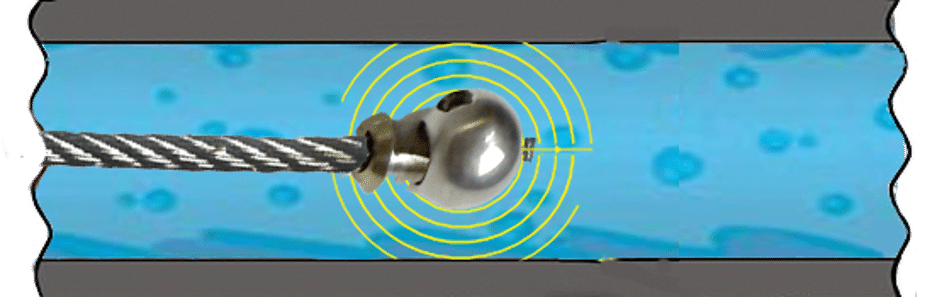
SWORDFISH is a probe, a control unit and a cloud platform sold by Electro Scan Inc. of Sacramento, California, a supplier of machine-intelligent pipeline assessment products for the water and wastewater industries. The operator inserts the probe at a customer’s meter or curb stop and pushes it through the service line, pressurised or not. As it travels, it measures the change in electrical resistance of the pipe wall — each material has a unique resistivity — and classifies the material continuously along the line, including lines that change material partway along their length.
Readings transmit by Bluetooth to Electro Scan’s Critical H2O platform on AWS, with reporting in minutes rather than after a lab or office process. The same electrical approach underpins Electro Scan’s leak work: its FELL (Focused Electrode Leak Location) technology is claimed by the vendor to locate multiple leaks in one pipe and estimate their severity, with CCTV AI particle tracking used to confirm leak entry and exit points. Trade publication Water Online has covered SWORDFISH’s deployments and awards, including its Top Product of the Year honour from Environment + Energy Leader.
Key features
- Machine-intelligent material identification: automatically distinguishes lead, galvanized steel, copper and plastic in the same line, using low-voltage electrical resistance developed under AWWA Manual M77 guidelines
- Service-line envelope: pipes from 1/2 inch to 3 inches in diameter, up to 80 ft in a single survey, entered from a meter or curb stop without digging
- Continuous measurement: readings taken as the probe travels, so mixed-material lines show multiple materials instead of a single spot result
- Real-time cloud reporting: Bluetooth transmission to the Critical H2O AWS platform, with results and digital reports in minutes
- Dual-method lead protocol: probe results paired with a post-insertion surface swab test of the probe to confirm lead findings
- Leak location line: FELL electrical leak detection, claimed by the vendor to pinpoint leaks to the closest 1 cm and estimate severity in gallons per minute or litres per second
- Current variants: SWORDFISH SE, a lightweight unit for rapid in-field identification and reporting, and SWORDFISH LeadTrace (LT), a more flexible probe for complex or longer buried lines
- Distribution: sold direct and through authorised partners, including a December 2025 Core & Main agreement covering a 26-state region for the SE and LT systems
Pricing
Pricing is not public on Electro Scan’s current product page. The figure on record is a reported one: Water Online’s coverage of SWORDFISH’s product award listed a retail price of $70,000, and Electro Scan’s own roadshow release gave the same $70,000 MSRP, with multi-year support arrangements and accessory software modules available on top. Treat $70,000 as a reported MSRP to confirm in a current quote, not a live list price — and note that Electro Scan also sells the work as a service, with its own field teams and authorised service providers running inventories for utilities that do not want to buy the hardware.
What the product page doesn’t make obvious: a SWORDFISH “non-lead” result is not the end of the risk question — and Electro Scan’s own February 2026 white paper, published on electroscan.com, is the source that says so. Reporting on nearly 20,000 residential service line inspections (a vendor figure), the paper concludes that copper and plastic pipes can retain deposited lead particulates from upstream legacy lead just as galvanized pipes can, so material identity alone does not fully characterise exposure risk. That is why the vendor’s field protocol is dual-method: electrical resistance testing for the material, plus a surface swab test of the extracted probe for accessible lead. Buy the protocol, not just the probe reading.
Who it’s for
Water utilities, consulting engineers and plumbing and pipe-service contractors building defensible lead service line inventories under the EPA’s Lead and Copper Rule framework — Water Online notes suppliers face a November 1, 2027 deadline to update unknown-material inventories. It is aimed at house-by-house verification at scale: municipal programmes, inventory contractors, and service providers who can keep a crew and a $70,000-class instrument busy across thousands of lines.
Who should skip it
General plumbing shops should skip the purchase: if your work is repairs, installs and the occasional service line replacement, you will never run enough inventories to justify capital equipment at this level — hire an authorised service provider for the odd verification instead. It is also the wrong tool for sewer condition work; despite the company name appearing in pipe-assessment conversations, SWORDFISH is a drinking-water service line instrument for 1/2-inch to 3-inch lines, not a CCTV or sewer coding system.
Pros
- Non-destructive by design: full-length material identification from the meter, with no potholing, test pits or yard restoration
- Continuous classification catches mixed-material lines that spot excavation and records reviews routinely miss
- Reporting in minutes through the cloud platform, suited to audit-ready inventory programmes
- Regulatory tailwind and recognition: developed under AWWA M77, cited in an EPA webinar as essentially the only commercially deployed electrical-resistance option, and an Environment + Energy Leader Top Product winner
- A service route exists for buyers who want the data without owning the instrument
Cons
- Capital pricing: a reported $70,000 MSRP, with current pricing not published — every purchase starts with a quote
- Narrow envelope: 1/2-inch to 3-inch service lines and up to 80 ft per survey; it does nothing for mains or sewer lines
- The defensible result is a two-step protocol — probe plus swab confirmation — so field time per line is more than the headline scan suggests
- Distribution is partner-dependent in places: the Core & Main agreement covers a 26-state region, not the whole country
FAQ
How does SWORDFISH tell lead from copper without digging?
By electrical resistivity. The probe is pushed through the line from a meter or curb stop and measures the pipe wall’s electrical resistance as it travels; lead, galvanized steel, copper and plastic each have a distinct resistivity, so the system classifies the material continuously and transmits readings by Bluetooth to its cloud platform for reporting in minutes.
What does SWORDFISH cost?
Current pricing is not published on Electro Scan’s product page. A $70,000 MSRP was reported by Water Online and stated in Electro Scan’s own roadshow release, with support arrangements and software modules extra — confirm the current figure, and the service-provider alternative, in a quote before budgeting.
If SWORDFISH says a line is copper or plastic, is it lead-safe?
Not automatically, on the vendor’s own evidence. Electro Scan’s 2026 white paper found surface lead particulates can deposit on copper and plastic lines from upstream legacy lead, which is why its protocol pairs the probe survey with a post-insertion swab test. A material result and a lead-risk result are two different answers.
Bottom line
SWORDFISH does a job almost nothing else on the market does: it walks the full length of a buried service line and names the material, without a shovel. For utilities and inventory contractors racing the lead-rule clock, that is worth capital money. For everyone else, the honest route is the service, not the instrument — and whatever route you take, insist on the full dual-method result, probe plus swab, that Electro Scan’s own research says the risk question requires.