
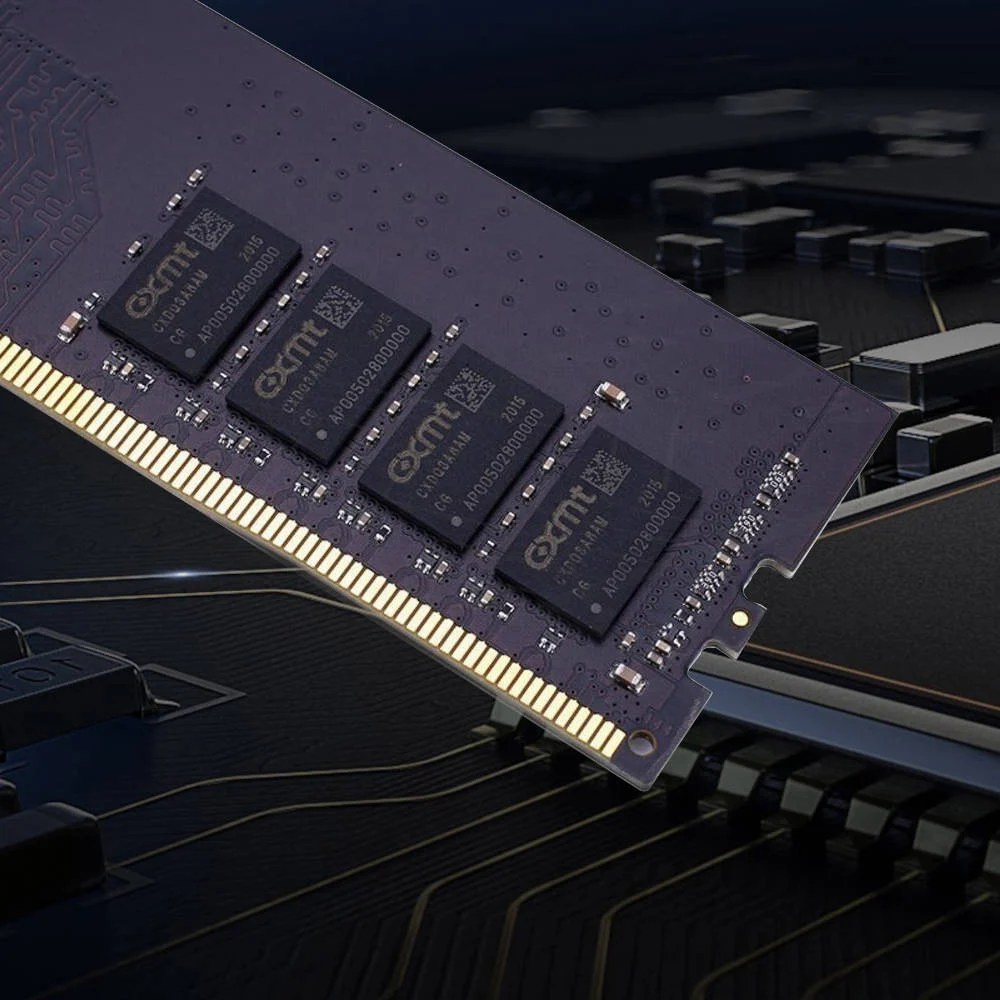
China’s CXMT expects net profit of 131 billion to 132.5 billion yuan — roughly $19.6 billion — for the first nine months of 2026, reversing a 5.3 billion yuan loss a year earlier, as AI demand squeezes global memory supply. Why it matters: the AI buildout’s memory crunch has become so profitable that even a blowout forecast like this one sent the stock down, because investors are now pricing in a peak.
October 19, 2026 — ChangXin Memory Technologies, China’s leading DRAM maker, published the forecast in a late-Friday filing to the Shanghai Stock Exchange. On Monday, its shares fell as much as 8.9% despite the numbers.
What did CXMT forecast?
The company expects revenue of 265 billion to 270 billion yuan (about $39.6 billion to $40.4 billion) for January through September — more than eight times the 32.08 billion yuan it booked in the same period last year. Net profit attributable to shareholders is expected to land between 131 billion and 132.5 billion yuan, against a net loss of 5.28 billion yuan a year earlier. CXMT attributed the swing to rapidly growing demand for artificial-intelligence computing power, which it said has left DRAM products “in short supply” with prices rising significantly, alongside its own capacity expansion and process upgrades.
In a separate filing, chairman Zhu Yiming proposed a share buyback of 1 billion to 2 billion yuan over 12 months, to fund employee incentive plans or reduce the company’s registered capital. The buyback is pending board approval and would be funded from the company’s own capital.
Why did the stock fall on record numbers?
Expectations. CXMT listed in Shanghai in July and at one point became China’s most valuable listed company, overtaking Tencent; it has since given up more than 10% of that value. Memory stocks have traded near peak valuations, and the Wall Street Journal noted they were among the biggest victims of Monday’s broader tech selloff, which also pulled in data-center names after a share and bond selloff at US AI cloud provider CoreWeave. In other words, the market is no longer asking whether the memory boom is real — CXMT’s filing answers that — but how long prices this high can last once competitors add capacity.
Why it matters
Memory is the quiet bottleneck of the AI race. Every data center being built to train and run AI models needs DRAM and high-bandwidth memory, and supply has not kept up — which is why a Chinese commodity DRAM maker can post a nine-month profit above what most chip companies earn in years. For US and allied policymakers, CXMT’s surge also sharpens an uncomfortable point: the memory crunch is minting money for a Chinese champion that export controls were meant to constrain. And for everyone buying hardware, from server builders to PC gamers, a supplier making this much money has little reason to cut prices soon.
Frequently asked questions
How much money will CXMT make in 2026?
For the first nine months alone, it forecasts net profit of 131 billion to 132.5 billion yuan (about $19.6 billion) on revenue of 265 billion to 270 billion yuan.
Why is a memory company profiting from AI?
AI data centers consume enormous amounts of DRAM. Demand has outrun supply since late 2025, pushing prices sharply higher and flipping CXMT from a loss to a record profit.
Why did CXMT shares fall if profits soared?
The stock had already run up to peak-cycle valuations since its July listing, and Monday brought a broader tech selloff. Investors are pricing in the risk that today’s exceptional DRAM prices do not hold.
Sources: Wall Street Journal, CNBC, company filings via BigGo Finance