

NotebookLM vs ChatGPT 2026: Your Sources or a General Assistant?
Bottom line: NotebookLM and ChatGPT are not really rivals — they do different jobs. NotebookLM answers only from sources you […]
Bottom line: NotebookLM and ChatGPT are not really rivals — they do different jobs. NotebookLM answers only from sources you […]
Hugging Face Review 2026: Models, Spaces and Pricing for Beginners and Builders Updated October 16, 2026 – Tested Intelligence Hugging […]

Bottom line up front: Litmaps turns one paper you trust into a visual map of its whole neighbourhood: the work […]
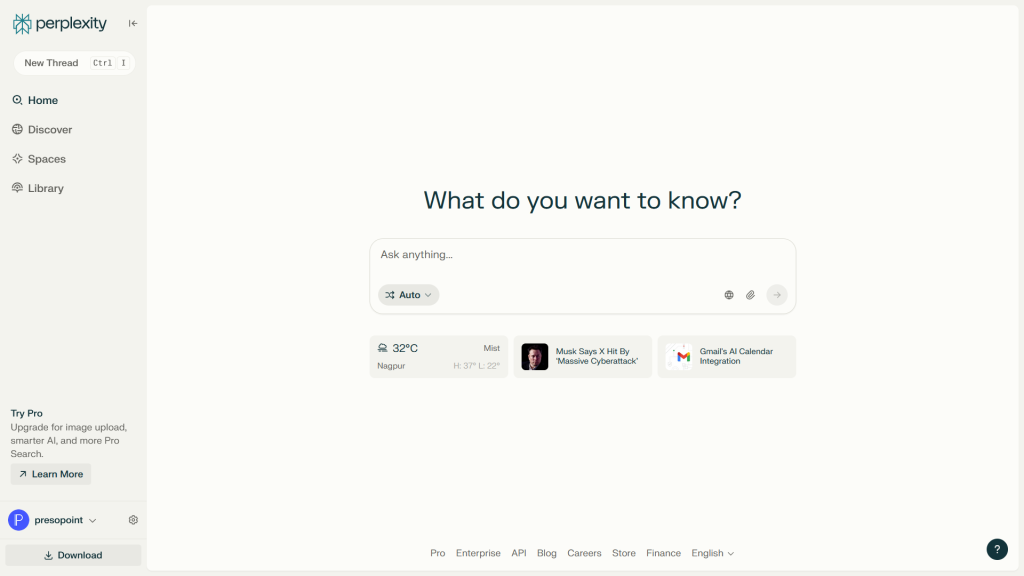
TL;DR: NotebookLM (now also called Gemini Notebook) answers only from the sources you upload, with citations back to your documents, […]
TL;DR: Scholarcy reads a research paper so you don’t have to — at least not first. It converts papers, articles, […]
The short answer: These two tools aren’t actually rivals — they’re different instruments. Perplexity is an AI search engine built […]
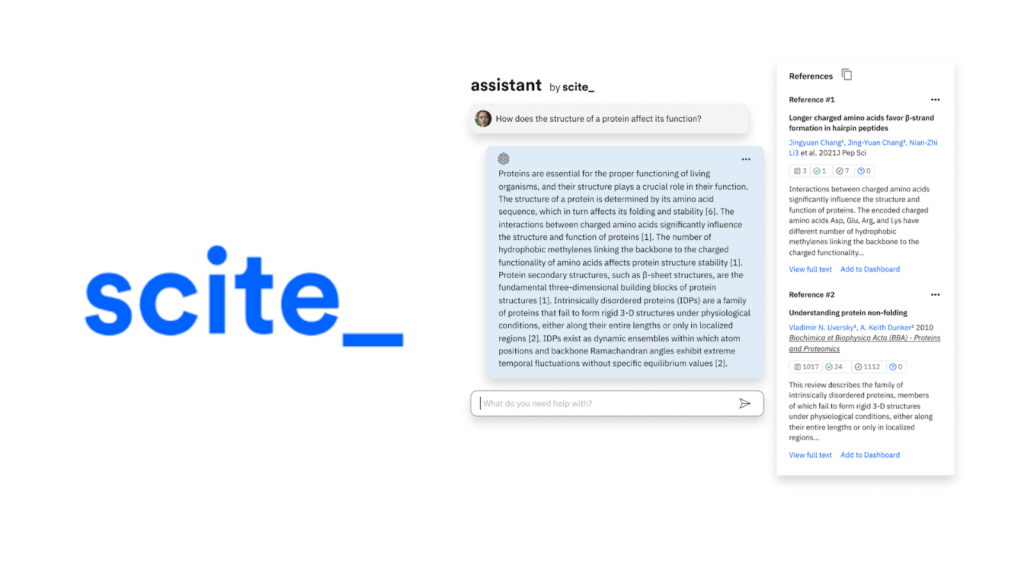
Scite.ai Review 2026: The Citation Checker That Shows Its Work TL;DR: Scite.ai is an AI research platform whose Smart Citations […]
TL;DR: Consensus and Elicit answer different halves of the research process. Consensus is the fastest way to learn “what does the research say?” — ask a question, get cited answers from peer-reviewed papers plus a Consensus Meter, from free (Pro $20/month). Elicit builds the evidence table behind the answer — structured data extraction across dozens of papers, from free (serious use starts at $39/month). Checking a claim: Consensus. Doing a literature review: Elicit.
The short answer Consensus is the best AI search engine we’ve found for one specific job: asking “does the research […]
The short answer Elicit is the strongest AI tool we’ve found for the extraction half of academic research: you ask […]