
Quick verdict
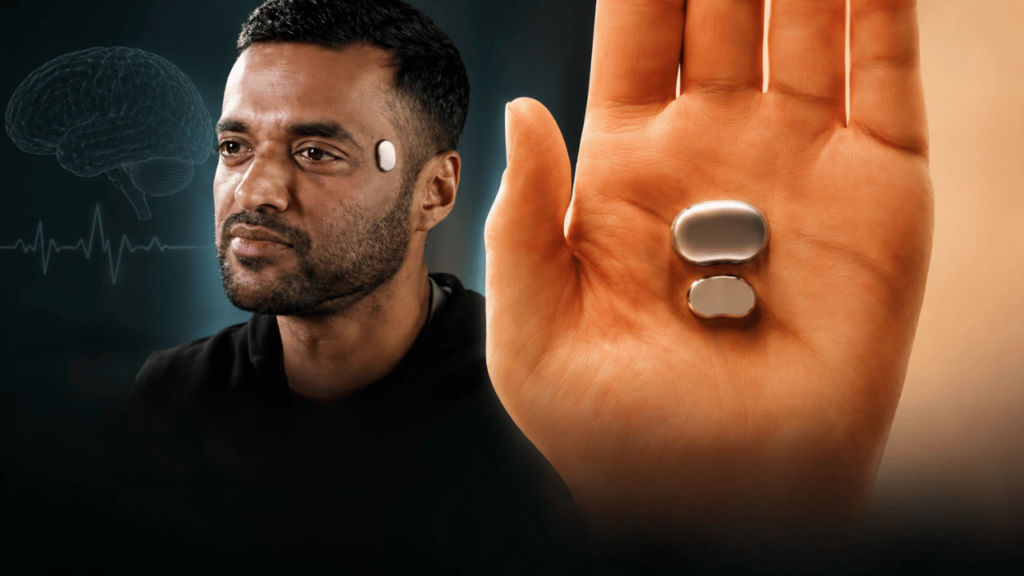
Temple 01 is a screen-free AI wearable with no microphone, no camera and no display: it sticks to the side of your head with medical-grade adhesive and “hears” you by reading the vibrations of your own voice, so it physically cannot record anyone else in the room. Unveiled on November 6, 2026 by Deepinder Goyal — the Zomato co-founder who left Eternal to build it — Temple 01 is up for preorder in India at a reported Rs 85,000 and is expected to ship in early 2027 with voice-companion and health-tracking features. Based on the launch reporting, it is the most privacy-radical AI wearable announced this year — and also one of the least independently verified.
What is Temple 01?
Temple 01 is a small pill-shaped device worn against the skin near your temple, held on by medical-grade adhesive strips the company calls Grips, which are changed about weekly. There is no screen to look at and no camera. You double-tap it to start listening — a small buzz confirms it is active — dictate a thought, reminder or message, and it converts your speech to text and acts on it: capturing ideas, setting reminders for birthdays, medication and appointments, logging meals and workouts, sending short messages and buzzing you when someone replies. Goyal calls it a “companion,” not an assistant: it deliberately will not shop for you or do tasks that need a screen.
The category it lands in is crowded with devices that record everything around them — pendants like the Nirva AI Pendant, ultra-thin recorders like the Soulog Sense, and earbud recorders like the Plaud One. Temple’s bet is the opposite: less captured, by design. Goyal has said he dislikes people walking into meetings with AI note-takers running, and Temple is his answer — a device that hears the wearer and nobody else.
How “roomdeaf” listening works
Instead of a microphone, Temple uses motion sensors to detect the vibrations your voice produces in your head and converts those vibrations into text. Because the sensor reads your body rather than the air, other conversations and room noise are — in the company’s words — filtered out entirely. The company calls this “roomdeaf audio.” Temple also says conversations are protected with end-to-end encryption and that it does not intend to sell user data for advertising. Both the roomdeaf claim and the encryption claim are stated by the company and, as of the November 2026 launch coverage, have not been independently verified or audited.
Health tracking: the second product inside the first
Temple began as a weekend health project while Goyal was still running Eternal, and health is still half the pitch. The company says the device tracks heart rate, heart rate variability, sleep and VO2 max, with more in development: snoring and jaw-clenching detection, chewing detection for calorie logging, sleep position and eye-movement tracking, and continuous core body temperature. It is also linked to Goyal’s research into cerebral blood flow. Two honest caveats belong here. First, doctors — including AIIMS Delhi radiologist Dr Suvrankar Datta and hepatologist Dr Cyriac Abby Philips — have publicly questioned whether skin-level signals support the brain-health claims, and the dispute has been loud since preorders opened. Second, Goyal himself positions Temple as a fitness and wellness wearable, not a medical device, and says clinical validation will be shared only if a metric is clinically verified. Treat every health number as a wellness signal, not a measurement.
What the price doesn’t make obvious
The reported Rs 85,000 preorder price is said to include lifetime software access and the Grips adhesive strips — no subscription on top — but multiple launch reports note the company has not officially confirmed the final price, so treat Rs 85,000 as reported, not locked. Two buyer-protection details are unusually strong for a first-generation device: Temple offers 14-day, no-questions-asked returns (Goyal pointedly noted Apple does not offer that in India), and the company says it has spent about $30 million building Temple, $20 million of it Goyal’s own money. None of that validates the science — but it does mean a buyer who finds the vibration listening does not work is not stuck with it.
Pros and cons
Pros
- No microphone, camera or screen: bystanders cannot be recorded, a privacy property no mic-based pendant can match
- Reported price includes lifetime software and Grips — no subscription
- 14-day no-questions-asked returns, rare for a first-generation preorder device in India
- About a week between charges, per launch reporting, with continuous multi-day wear including sleep
Cons
- Every core claim — roomdeaf listening, health tracking, encryption — is unverified by any independent tester so far
- Doctors are publicly disputing the health science behind the device
- Rs 85,000 reported price is flagship-phone money for an unproven category, and the final price is not officially confirmed
- India preorder only; ships early 2027, and there is no announced US or global release
Who it’s for
Temple 01 is for privacy-first buyers in India who love the idea of a voice companion but refuse to wear a microphone that records the room — and who are comfortable backing a founder-led research project rather than a finished product. Skip it if you need a medical-grade health device (Temple itself says it is not one), if you want independent reviews before paying, or if you are outside India, where there is currently no way to buy one.
Frequently asked questions
How much does Temple 01 cost?
Preorders in India are reported at Rs 85,000, said to include lifetime software access and the Grips adhesive strips. The company has not officially confirmed the final price. Prices checked November 8, 2026.
Does Temple 01 have a microphone?
No. Temple says it uses motion sensors to read the vibrations of the wearer’s voice and convert them to text — which is why it calls the device “roomdeaf”: it is designed to hear only the person wearing it.
When does Temple 01 ship?
Early 2027, according to the company, starting in India. No US or wider global release has been announced.
Is Temple 01 a medical device?
No. Goyal describes it as a fitness and wellness wearable. Its health features — heart rate, HRV, sleep, VO2 max and more in development — have not been clinically validated, and doctors have publicly questioned the underlying claims.
Price and availability
Temple 01 is available to preorder in India only, at a reported Rs 85,000 including lifetime software and Grips, with shipping expected in early 2027. It is not sold on Amazon and has no announced US release, so there is no Amazon listing to link — check Temple’s official channels before paying anyone, as launch coverage lists no other authorized seller.