
Quick verdict
Matterport Review 2026: 3D Digital Twins for Jobsite Documentation and As-Builts
Updated October 16, 2026 – Tested Intelligence
Quick verdict: Matterport turns a walk through a site with a camera into a navigable, measurable 3D digital twin that remote teams can inspect, tag, and share. For construction documentation, punch work, and as-built records it is fast to learn and easy for non-technical stakeholders to use. It is not a full progress-analytics platform, and large jobs can consume plan space quickly.
What it is
Matterport is a spatial data platform built around capture: scan a space, upload it, and get a photorealistic digital twin you can walk through in a browser. In construction that twin becomes a visual record of conditions at a moment in time – before drywall closes walls, at a milestone, or at handover.
CoStar Group completed its acquisition of Matterport in February 2025; the product is still sold under the Matterport name.
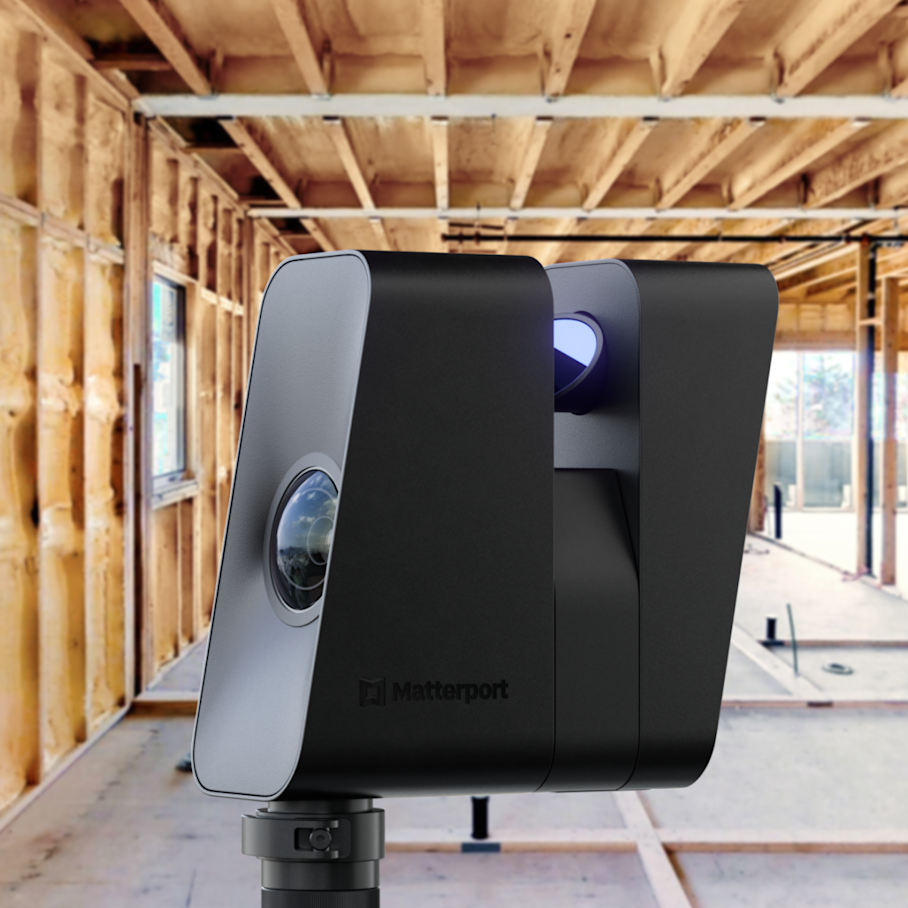
Capture ranges from supported 360 cameras and phones to Matterport’s own Pro3, which adds LiDAR. ENR has reported teams using scans to validate as-builts, build virtual punch lists, and answer questions without returning to site.
Key features
- Pro3 LiDAR capture at 100,000 points per second, with a range Matterport lists from 0.5m to 100m in extended files, plus removable batteries for longer sessions
- Immersive digital twins with dollhouse and floor-plan views, in-model measurement, tags and notes pinned to locations in the space
- Cortex AI processing that stitches scans, blurs faces, and produces the navigable model without manual point-cloud work by the field team
- MatterPak and E57 exports, schematic floor plans, and a BIM file plus Revit plugin workflow for turning a scan into as-built model content
- Integrations that place the twin inside project workflows, including Procore – where RFIs, Observations and Coordination Issues can be worked from the model – and Autodesk Construction Cloud for overlaying capture against design
- Sharing by link for owners, designers and trades who need to see a condition without a site visit or specialist software
Pricing
Matterport is priced by active spaces – scans kept live in the cloud – plus hardware if you need it. As listed on Matterport’s plans page in October 2026: Free $0 for 1 space; Starter from $14 per month ($12 billed annually) for 5 to 20 spaces; Professional from $69 ($58 annually) for 20 to 150; Business from $355 ($296 annually) for 100 to 300; Enterprise custom. A space over 200 scan points can count as more than one space, and add-ons such as floor plans and MatterPak files cost extra.
Who it’s for
General contractors, remodelers, owners’ teams and VDC staff who need a fast, shareable record of conditions: in-wall documentation, remote progress checks, punch walks, dispute records, and as-built handover – especially when the audience will not open BIM software.
Who should skip it
Teams who need automated percent-complete, deviation analysis against BIM, or earned value should use a dedicated progress-analytics platform instead. Also skip it if you only need occasional still photos – a twin you never rescan loses value fast.
Pros
- Low training burden compared with traditional laser scanning
- The twin is understandable to anyone: owners and trades can navigate it without training or licences
- One capture serves documentation, measurement, punch and handover instead of separate photo sets
- Procore and Autodesk connections keep the visual record inside the systems teams already use
Cons
- Active-space pricing can surprise you on large jobs, because big scans count as multiple spaces
- It documents conditions; it does not by itself compare progress to schedule or flag out-of-tolerance work automatically
- Best results need the Pro3 or a good capture partner – phone and cheap 360 capture trade away accuracy and range
FAQ
Is Matterport accurate enough for construction?
For documentation, visual verification and measurement it is widely used on real projects, and Pro3 LiDAR improves range over 360-only capture. For survey-grade or tolerance-critical work, keep using the instruments your contract specifies.
Do I need to buy a Pro3 camera?
No. You can start with a supported 360 camera or phone, or hire capture through Matterport’s service network where available. The Pro3 makes sense when you scan large or complex spaces regularly and need LiDAR and range.
Who owns Matterport now?
CoStar Group completed its acquisition of Matterport in February 2025. Matterport continues to operate as a CoStar brand and product line.
Bottom line
Matterport is the easy on-ramp to reality capture: one person, one walk, and the team gets a record it can use. Judge it on your next in-wall milestone, count the return trips it prevents, and watch your active-space count – that, not the headline price, is your real cost.