
Quick verdict
Safety Shield Review 2026: AI Human Form Recognition That Warns Operators Only When a Person Is at Risk
Updated October 13, 2026 – Tested Intelligence
Quick verdict: Safety Shield is a camera safety system with one disciplined idea: it alerts the operator to people, not to everything. Its AI recognises the human form around plant and ignores other objects, attacking the alarm fatigue that makes operators mute lesser systems. It is proven with major UK contractors, though pricing is not public and it warns rather than stops the machine.
What it is
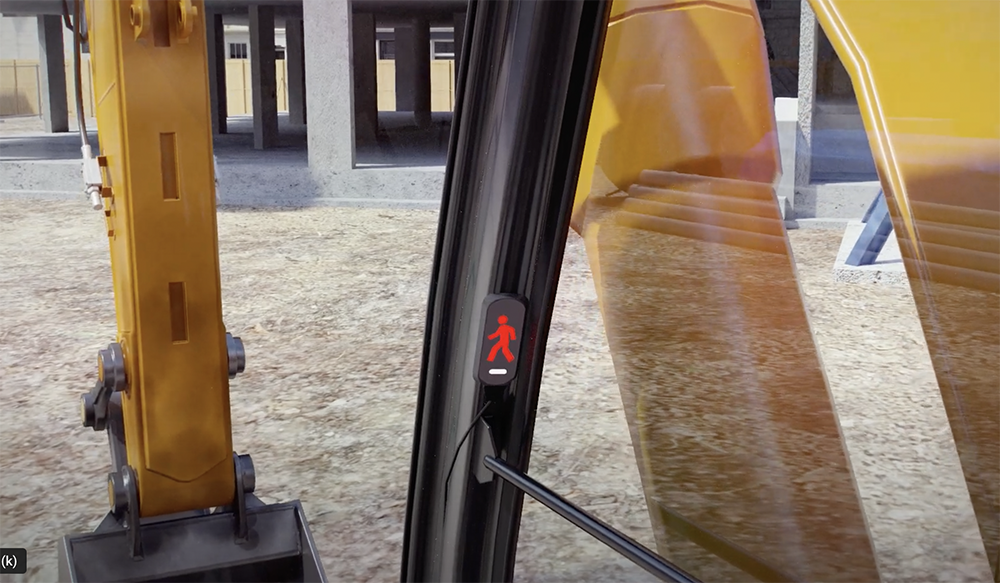
Safety Shield, from UK company Safety Shield Global, is an AI collision avoidance system for plant vehicles. HD cameras feed an AI model trained on the human form. The vendor says it scans everything but only alerts when a person enters a calibrated danger zone – cones and materials do not trigger it. The operator gets an in-cab LED and audio alert. It fits excavators, dumpers, dozers and other plant.
The credibility comes from who has run it. The Considerate Constructors Scheme hub describes Balfour Beatty trialling and installing it on all dumpers on one site, and Constructing Excellence records Balfour Beatty testing it from 2017, helping train the model on real sites. Construction News later reported Balfour Beatty mandating such cameras, and trade coverage reported it fitted at Sellafield. The vendor claims 99.6 percent accuracy in independent testing, and it won a King’s Award for Enterprise for Innovation – treat the accuracy as a vendor claim, but the adoption is documented.
Key features
- AI human form recognition: detects people, filters out objects (vendor claim)
- Adjustable detection zones, 0.5 to 50 metres, per machine (vendor brochure)
- In-cab LED and audio alerts, with optional external pedestrian alarm
- Single and multi-camera setups for 360-degree pedestrian detection, day and night
- Optional Digital Thumbs Up display signalling when it is safe to approach
- Optional Driver State Monitor for fatigue and behaviour, with face recognition to authorise starting
- VUE portal recording alerts, video and location, with live fleet reporting
Pricing
Pricing is not public. Safety Shield publishes no list price, and cost varies by camera count and options. As an indication only, Construction News reported in 2024 that Balfour Beatty put four cameras at about 2,500 pounds and two at about 1,700 pounds – contractor figures in a trade interview, not a vendor list. Budget for fitting, calibration and any portal subscription on top.
Who it’s for
Contractors and hire fleets whose core risk is people and plant sharing ground – earthworks, civils and rail sites where dumpers and excavators work around ground staff. It is especially relevant where a principal contractor expects pedestrian detection on large plant, and for safety teams who want alert data to fix layouts and behaviour.
Who should skip it
Operators wanting a system that physically stops the machine. Safety Shield only alerts: it warns operator and pedestrian, and the human still has to react. Skip it if no people work near your machines, if you only need a reversing camera, or if your sites cannot support the fitting, calibration and data review behind it.
Pros
- People-only alerts target alarm fatigue in generic proximity systems
- Documented use and mandates with major UK contractors
- Fits any plant type and retrofits to your existing fleet
- Alert recording turns near misses into site safety data
Cons
- No public pricing; figures come from contractor interviews
- Warns but does not intervene – it cannot brake or stop the machine
- Effectiveness depends on fitting, zone calibration and operator response
- Optional extras like driver monitoring add to the base cost
FAQ
What does Safety Shield actually detect?
People. Vendor and partner materials say the AI recognises the human form and filters out other objects, alerting only when a person enters a calibrated zone, which the vendor brochure puts at 0.5 to 50 metres.
Which machines can it be fitted to?
The vendor says any type of plant, in single or multi-camera setups, including excavators and dumpers. Confirm camera placement and zones during fitting.
How much does Safety Shield cost?
Pricing is not public. Construction News reported Balfour Beatty figures of about 1,700 pounds for two cameras and 2,500 for four in 2024; treat those as indications only.
Bottom line
Safety Shield is the most operator-friendly answer here to the people-plant problem: fewer, better alarms, backed by a record of what happened around the machine. If struck-by risk is your top hazard, it belongs on your large plant shortlist – judged on alert quality.