
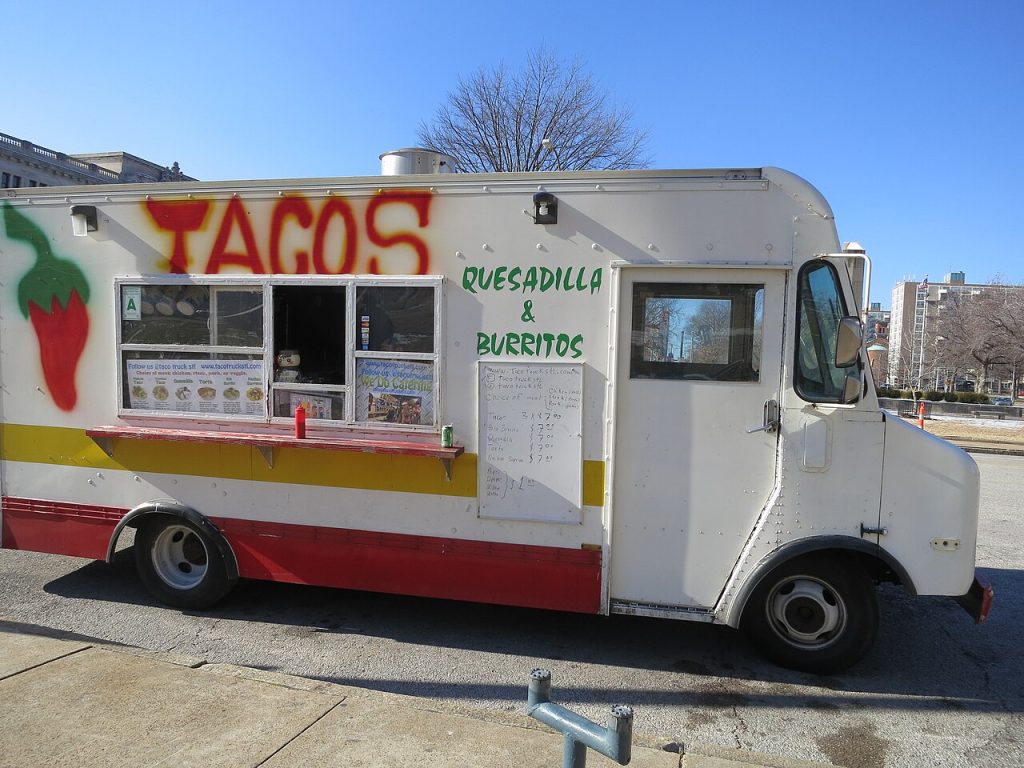
The short answer: for most food truck owners in 2026, the AI stack that actually earns its keep is boring in the best way — Square for taking payments and asking your own sales data questions, 7shifts for scheduling a small crew, and ChatGPT for the menu copy, prep math and catering quotes you currently do at midnight. Toast is the step up when a truck turns into a fleet. Every price below was checked on the vendor’s own pricing page in November 2026. This is research-based coverage — we analyzed published pricing, plan limits and documentation, not hands-on testing.
Best AI tools for food truck owners at a glance
| Tool | Price | Best for | Verdict |
|---|---|---|---|
| Square | Free; Plus $49/mo; Premium $149/mo per location | Payments, online ordering, sales questions | Best starting point |
| Toast | Starter Kit $0/mo; Point of Sale from $69/mo | Growing trucks and multi-truck fleets | Best step-up POS |
| 7shifts | Comp free; Essentials from $39.99/mo per location | Scheduling a small, shifting crew | Best scheduling value |
| ChatGPT | Free; Plus $20/mo | Menu copy, prep math, catering quotes | Best all-purpose helper |
| Canva | Free; Pro $15/mo | Menu boards, social posts, catering PDFs | Best design shortcut |
| Wave | Starter free; Pro $19/mo | Catering invoices and bookkeeping | Best free invoicing |
What the pricing pages don’t make obvious
Two costs hide in the fine print. First, on Square’s own pricing page the Kitchen Display System (KDS) app — the screen that replaces paper tickets in the truck — is an extra $30/month per device on the Plus plan, so a two-screen setup quietly adds $60/month to the $49 headline price. Second, Toast’s own pricing guide is blunt that the $0/month Starter Kit is not free money: it uses pay-as-you-go processing at a higher per-transaction rate, while the $69/month Point of Sale plan carries the lower flat rate (2.49% + 15¢ in person). On a busy truck, the “free” plan can cost more than the paid one — run your own card volume through both before you sign.
1. Square — best starting point for most trucks
Square is the default first POS for food trucks for a reason: the Free plan costs $0/month per location, takes tap, dip and swipe payments at 2.6% + 15¢, and includes a branded online ordering page for pickup orders. Its built-in AI assistant (listed on the pricing page across all three plans, Free included) answers plain-English questions about your own sales — which menu items carried last Saturday, what your slowest hour is — without you exporting a spreadsheet. Plus ($49/month) drops processing to 2.5% + 15¢ and unlocks the advanced restaurant features; Premium ($149/month) drops it to 2.4% + 15¢ with 24/7 support.
Best for: new and single trucks that want zero monthly software cost while they find their spots. If you run a fixed location too, our best AI tools for restaurant owners roundup covers the sit-down side of the same decision.
2. Toast — best step up when the truck grows
Toast is built only for food businesses, and it shows in the kitchen workflow: its Toast IQ assistant is included with Toast POS and answers questions across your sales, labor and menu data. Pricing starts with the $0/month Starter Kit (one terminal, pay-as-you-go processing at a higher rate) or the Point of Sale plan from $69/month with flat-rate processing and your choice of hardware. The trade-off is commitment — Toast is a contract-and-hardware conversation in a way Square is not — so it makes the most sense once a second truck, a ghost kitchen or serious catering volume is real, not hypothetical.
Best for: established trucks adding locations or a commissary. Catering-heavy operators should also read our best AI tools for caterers roundup.
3. 7shifts — best for scheduling a small crew
Food truck scheduling is a group-text problem: a four-person crew, weather-dependent shifts and event days that appear out of nowhere. 7shifts is restaurant-specific scheduling with a genuinely free tier — Comp covers basic scheduling, time-off requests and mobile access for a small team. Essentials (from $39.99/month per location billed annually) adds labor budgeting, POS integrations and compliance safeguards; Pro ($79.99/month billed annually) adds sales and labor forecasting, which is the feature that stops you over-staffing a rainy Tuesday.
Best for: any truck with three or more crew members trading shifts by text message.
4. ChatGPT — best all-purpose back-office helper
The unglamorous winner. Food truck owners use ChatGPT to turn a voice memo into a prep list, scale a recipe from 20 servings to 200 for a festival, draft a catering quote from a client’s rambling email, and write the Instagram caption while the fryer heats. The free tier handles occasional use; Plus ($20/month) gives higher limits and the stronger models for the daily grind. One caution: check its math on large recipe scaling before a big event — it is a drafting tool, not a commissary manager.
Best for: owners doing their own marketing, quotes and admin between services.
5. Canva — best for menu boards and social posts
Canva’s templates and AI design tools (background remover, Magic Resize) turn one photo of today’s special into a menu board, a story post and a catering one-pager in about ten minutes. The free plan is enough for occasional graphics; Pro ($15/month) unlocks the premium template and photo library plus brand kits, which keeps a truck’s look consistent across the board, the wrap and the feed.
Best for: trucks that sell with their eyes — festivals, breweries and social-first brands. Coffee carts face the same rush-and-schedule problems; see our best AI tools for coffee shop owners for the counter-service version of this stack.
6. Wave — best free invoicing for catering
Catering is where food truck money hides, and it runs on invoices, not card taps. Wave’s Starter plan is free and covers invoicing, estimates and basic reporting; Pro ($19/month) adds automatic bank transaction imports, receipt scanning in the mobile app and automatic payment reminders. It is not AI-flashy — it is the bookkeeping layer that keeps a catering deposit from living in your text messages.
Best for: trucks building a catering side business on top of street service.
Pros and cons of building your stack this way
Pros: every tool here has a free tier, so the whole stack can start at $0/month plus card processing; Square and 7shifts integrate, so schedules and sales live in connected systems; nothing requires a long contract to test. Cons: the AI assistants inside POS systems only answer questions about your own data — they do not run your marketing; add-on fees (KDS screens, payroll, online ordering extras) mean the headline price is rarely the real price; Toast’s contract model punishes changing your mind.
Frequently asked questions
What is the best free POS for a food truck?
Square Free: $0/month per location with tap payments at 2.6% + 15¢ and an included online ordering page. Toast’s Starter Kit is also $0/month, but its pay-as-you-go processing rate is higher, per Toast’s own pricing guide.
Is Toast or Square better for a food truck?
Square for starting out — no contract, transparent rates, free plan. Toast once you are growing into multiple trucks or need its deeper restaurant tooling, and you have the volume to justify $69/month plus hardware.
Which AI features are actually worth paying for on a truck?
The ones included in the price: Square’s and Toast’s built-in assistants that answer questions about your own sales, and 7shifts Pro’s labor forecasting. Pay extra for an AI add-on only when you can name the weekly task it replaces.
How much should a food truck budget for software each month?
A realistic starting stack is $0–$40/month (Square Free plus 7shifts Comp or Essentials). A growing truck with Toast, paid scheduling and ChatGPT Plus lands around $130–$170/month before card processing.
Prices checked on vendor pricing pages, November 2026. Confirm current pricing before subscribing — plans, processing rates and add-on fees change often.