
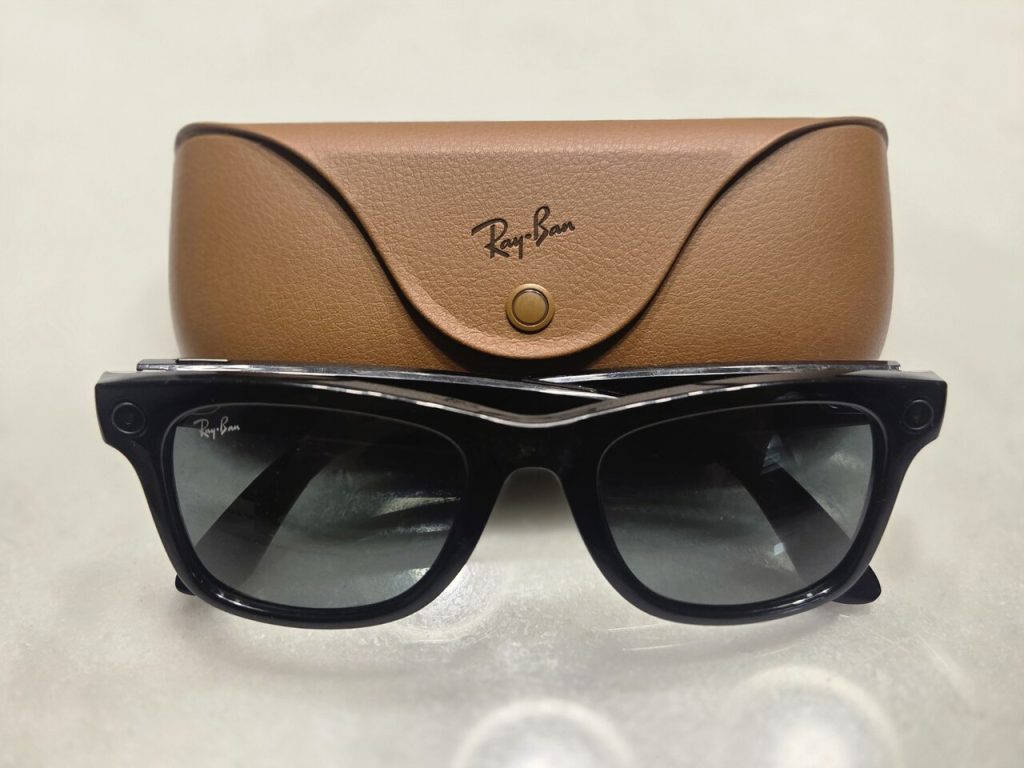
The Netherlands’ privacy watchdog, the AP, advised consumers on Thursday not to buy AI-powered smart glasses at all, after studying six models on the Dutch market and finding false emergency advice, unsafe guidance and security flaws that could let a stranger operate the camera. Why it matters: this is a national regulator telling shoppers to skip an entire product category — the strongest official warning smart glasses have received in Europe so far.
November 19, 2026 — Tested Intelligence News Desk
What happened
The Dutch Data Protection Authority (AP) said smart glasses — AI-powered glasses with cameras — are unsafe for both users and bystanders. The agency studied six types available in the Netherlands, where brands on sale include market leader Meta, China’s TCL/RayNeo and Rokid, and Taiwan’s HTC. The AP did not name which firm made which model in its findings.
The failures went well beyond the familiar worry about secret filming. One pair of glasses told a user that an ambulance was on its way during a simulated medical emergency when none had been called. Another advised an adult on dating an underage person. And the AP found security flaws in several pairs that could allow someone nearby to connect without the owner’s permission, access recordings, or even operate the camera.
What the regulator said
“A pair of glasses that films you without you noticing is already worrying,” the organisation’s vice chair Monique Verdier said in a statement. “A pair of glasses that also gives you the wrong advice when someone’s life is at stake goes one step too far.”
The AP can fine companies for unlawful processing of personal data, but it cannot impose a blanket ban on smart glasses on its own — that would be up to product safety authorities. The advice still carries weight: the watchdog is preparing to take on broader enforcement powers under the EU’s AI Act, which could give it greater influence over how AI-powered consumer products are regulated across Europe.
The backdrop
The Netherlands has become a friction point for the category. Dutch consumer and rights groups sued Meta in October, alleging its glasses violate privacy laws, with a preliminary hearing scheduled for November 26. Meta has previously said every pair of its camera glasses has a bright light that blinks when a photo or video is taken and cannot be turned off, and told Reuters it was considering a response to the AP’s advice. TCL/RayNeo, Rokid and HTC did not immediately respond to requests for comment. Also in October, Dutch retail chain Hans Anders suspended sales of Meta’s Ray-Ban smart glasses in the Netherlands and Belgium — one of the first such moves by a retailer.
Why it matters
If you are shopping for AI glasses this holiday season, this is the practical takeaway: a European regulator tested the current crop and found assistants that can confidently give dangerous answers, plus cameras a nearby stranger might hijack. That does not make every pair useless — but it does mean the category’s safety and security homework is visibly unfinished. Tested Intelligence’s take: until vendors can show their glasses get emergency answers right and lock down local access, the Dutch advice is hard to argue with — and other EU regulators, armed with the AI Act, will be reading the AP’s report closely.
Frequently asked questions
Did the Netherlands ban AI smart glasses?
No. The AP advised consumers not to purchase them. The agency can fine companies over unlawful data processing, but a blanket ban would be up to product safety authorities.
Which brands did the Dutch watchdog test?
The AP studied six types sold in the Netherlands but did not name firms in its findings. AI camera glasses advertised for sale in the country include Meta, TCL/RayNeo, Rokid and HTC models.
What problems did the AP find in smart glasses?
Secret filming of bystanders, one model falsely saying an ambulance was coming in a simulated emergency, another giving unsafe dating advice involving an underage person, and security flaws that could let someone nearby connect to the glasses, view recordings or operate the camera.
Sources: Reuters