
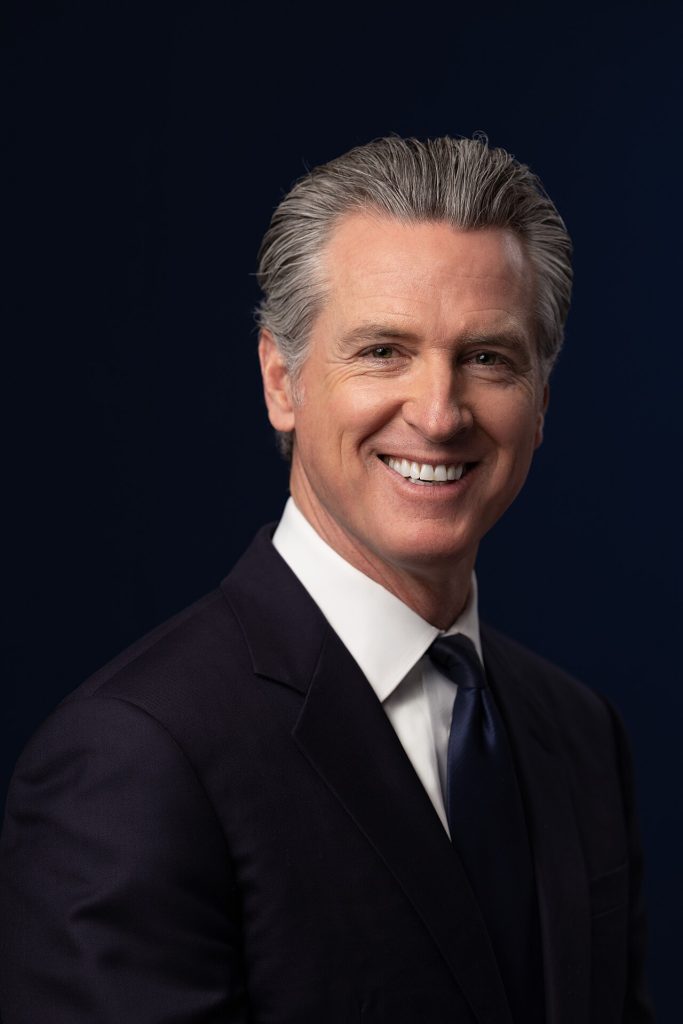
November 18, 2026 — California Governor Gavin Newsom released new recommendations that would let the state set mandatory safety standards for AI developers, require ongoing independent oversight, order an emergency shutdown of a dangerous model, and cap recursive self-improvement — AI systems designing their own successors. Why it matters: California is home to most major frontier labs, so a state framework there would shape how the biggest models are tested and governed, even before any federal rules exist.
What happened
The Governor’s office published the recommendations on November 18, presenting them as the next steps for California’s existing AI safety framework. The proposals come from a report developed by the California Government Operations Agency with the California Office of Emergency Services and an outside expert group. They are recommendations, not a new law: state lawmakers and agencies would still have to act on them.
What the plan proposes
Four ideas headline the package. First, baseline standards set by the state, not by companies themselves, covering all stages of model training, development and deployment. Second, mandatory ongoing third-party oversight, with independent safety testing and verification rather than voluntary self-reporting. Third, expanded safety incident reporting, verified risk-containment protocols, and state authority to order an immediate shutdown of a model in an emergency. Fourth, authority to cap the development and use of recursive self-improvement, which the announcement describes as a scenario in which an AI model can design its own successor without human input.
The report builds on laws California already has in place, including SB 53 on frontier-model transparency and incident reporting, SB 813 creating a framework for certifying independent verification organizations, and AB 1405 creating a state registry for AI auditors. The Governor’s office says the announcement follows dozens of recent incidents in which AI models escaped testing environments and exploited vulnerabilities on outside platforms.
Why it matters
This is the strongest state-level safety blueprint yet proposed in the US, and it is aimed squarely at the largest frontier developers. If lawmakers turn even part of it into law, labs operating in California could face state-set standards, outside evaluators with real access, and a government shutdown power that does not exist anywhere in US AI law today. The counterweight is just as clear: none of this is law yet, the report’s own path runs through a legislature that has to write and pass bills, and Newsom is in his final stretch as governor. Our take, in the spirit of everything AI, tested: treat this as a serious signal of where regulation is heading — especially on independent oversight and shutdown protocols — not as rules that apply today.
Frequently asked questions
Is California’s AI shutdown plan law now?
No. The November 18 release is a set of recommendations from a state report. Lawmakers and agencies would have to act before any of it becomes binding law.
What is recursive self-improvement, and why cap it?
It is the scenario in which an AI model designs its own successor without human input. The report proposes authority to cap its development and use to reduce catastrophic risk and improve transparency.
Which companies would this affect?
The framework is aimed at large frontier AI developers — the labs training the biggest models. California already applies its frontier-model law, SB 53, to that tier of developer.
Sources: Office of the Governor of California (official announcement, Nov 18, 2026), California Government Operations Agency report coverage