
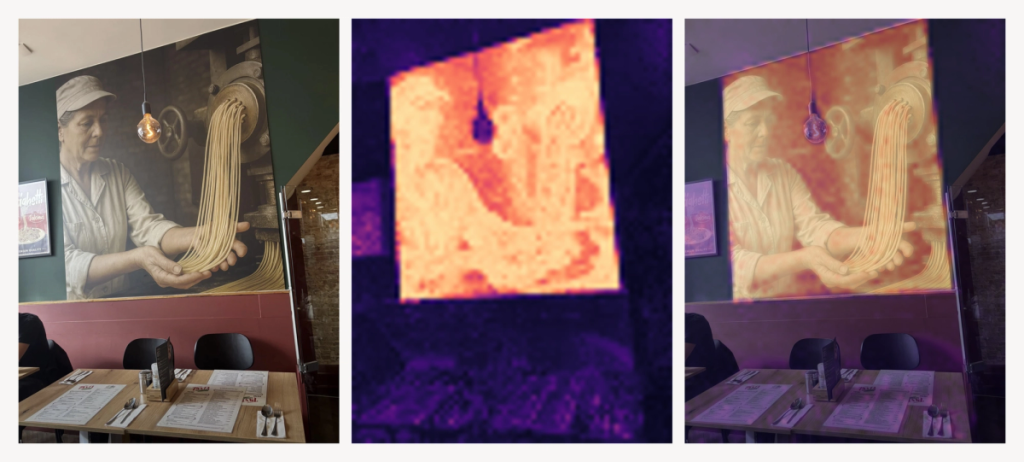
Pangram, best known for detecting AI-written text, has officially launched Pangram Image 1.0 for spotting AI-generated images and Pangram Image Flash 1.0 for checking video frame by frame. Why it matters: detection that works inside a browser feed, an upload page and an API — and can point to where in a picture the AI content sits — is the kind of tool platforms, marketplaces and newsrooms can actually deploy as synthetic media gets harder to spot by eye.
November 4, 2026
What happened
Pangram announced the two models on November 4, moving its image detection out of the research preview it opened on July 29. Image 1.0 is the flagship still-image detector; Flash 1.0 is a smaller, faster model built for video. Both are available through Pangram’s website, its API and — for Image 1.0 — its Chrome extension, which flags AI-generated content while users scroll social media, shopping and rental sites. Video upload is now supported natively, with Flash analysing a clip frame by frame and reporting which parts come back as AI-detected.
The feature that sets Image 1.0 apart from a yes/no verdict is its heatmap: instead of only scoring a whole picture, it localises the AI-generated region — for example, a synthetic image pasted inside an otherwise real photograph.
What the numbers say — and whose numbers they are
All of the headline figures are Pangram’s own, and they should be read that way. For images, the company built synthetic mirrors of 100 real photos using 12 frontier image generators (1,200 synthetic images) and reports 99.96% accuracy for Image 1.0 on that company-created set; in a launch post on X it cited identifying 99.2% of AI-generated images at a 0.27% false-positive rate. For video, Pangram says Flash 1.0 scores 98.7% on the DF26 benchmark — 29 points above the next-best detector — and 98.57% in its own mirror test built from 129 real social-media videos and 14 video generators. None of these results has been independently verified yet.
The more checkable improvements are practical ones. The minimum image size drops from 512×512 pixels in the preview to 256×256, though anything below 512 now carries a reduced-confidence disclaimer. Pangram says the model is trained to stay robust against compression, downscaling, blur and noise — the transformations social platforms apply, and the ones people use to try to defeat detectors — and that detection of deepfakes, low-resolution images and frontier generators has improved since the preview.
Why it matters
Watermark-based checks mostly catch one company’s own output. Pangram’s pitch is pixel-level detection across generators — it lists coverage spanning major image and video models — at the three places fake media actually spreads: the feed, the upload and the API. The honest caveats are in the launch itself: the accuracy claims rest on the company’s own test sets, and small images still come back with a confidence warning. If independent testing backs up even part of the DF26 gap, though, video detection just took a real step — on a benchmark where, Pangram notes, both people and earlier detectors performed close to random chance on modern AI video.
Frequently asked questions
What is Pangram Image 1.0?
It is Pangram’s flagship AI image detection model, launched November 4, 2026 after a July research preview. It scores images for AI generation and adds a heatmap that localises where the AI content appears, and it is available on the web, via API and in Pangram’s Chrome extension.
How accurate is it?
Pangram reports 99.96% accuracy on its own evaluation set of 1,200 synthetic images mirrored from 100 real photos, and 98.7% for its Flash video model on the DF26 benchmark. Those are company-reported figures; independent verification has not been published.
What changed from the research preview?
The minimum input size fell from 512×512 to 256×256 pixels (with a reduced-confidence disclaimer below 512), native video upload and API support for video arrived, the Chrome extension integration shipped, and Pangram says detection of deepfakes, edited and low-resolution images improved.
Sources: Pangram (official launch post), Unite.AI, Digital Trends, Dealroom News