
Quick verdict
Samsung’s first AI smart glasses, which the company calls Intelligent Eyewear, are reportedly set for first sales in mid-December 2026 in South Korea and the United States, according to industry reporting published on October 30. That timing matters because Samsung would be entering the camera-glasses race against Meta with a display-free design built on Google’s Android XR platform and Gemini — but there is one big blank left: Samsung has not confirmed the date, and it has not announced a price.
What is Samsung Intelligent Eyewear?
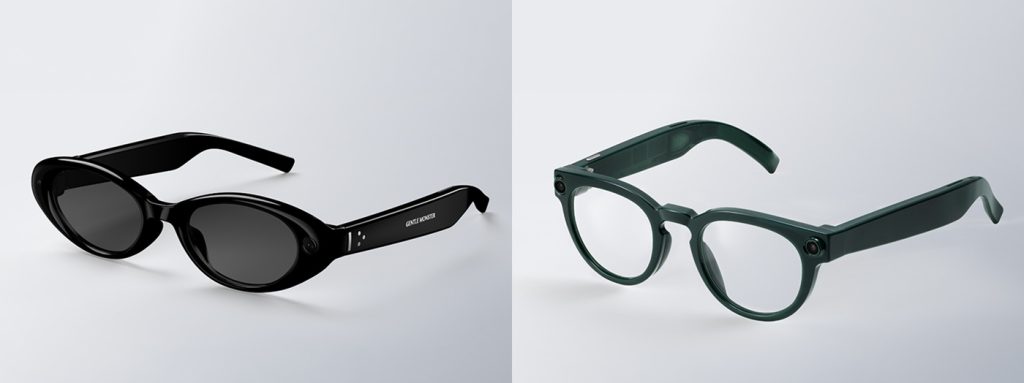
Samsung introduced its Intelligent Eyewear at Galaxy Unpacked in London in July 2026, developed with Google and Qualcomm and styled with eyewear partners Gentle Monster and Warby Parker. There is no display. Instead, a built-in camera gives Google’s Gemini visual context, microphones pick up your voice, and speakers in the arms talk back — the same basic formula as the camera glasses in our Meta Ray-Ban Display review, minus Meta’s in-lens screen, and closer in spirit to the camera-free approach in our Even Realities G2 review, except Samsung keeps the camera and drops the display.
According to Samsung’s launch material, Gemini can use the camera to understand what you are looking at, translate speech in real time, read messages aloud, and answer questions about objects and scenes in front of you. The glasses are designed to work closely with Galaxy phones and wearables, building on the same Gemini platform as the headset in our Samsung Galaxy XR review.
Key specs and battery life
- Platform: Android XR with Google Gemini, confirmed by Samsung.
- Chip: Qualcomm Snapdragon AR1 Gen 1, confirmed by Samsung — a chip designed specifically for lightweight smart glasses.
- Display: none — audio responses only.
- Camera: built-in camera, confirmed by Samsung. Leaked specifications reported elsewhere list a 12MP camera with 3K video at 30fps, but Samsung has not published those figures, so treat them as unconfirmed.
- Battery: up to 9 hours of active use on one charge, per Samsung, with up to seven more full charges from the charging case.
- Frames: designs from Gentle Monster (sold in South Korea and the US) and Warby Parker (US only), per Samsung’s announcement.
- Price: not announced — Samsung is still discussing it, according to the October 30 industry reporting.
What the mid-December report actually says — and does not say
Korean business daily Chosun Biz reported on October 30, citing industry sources, that first sales are set for mid-December in South Korea and the US, with Europe, China and Japan not part of the first wave. The same reporting says the price is undecided. Samsung has not confirmed any of this, and an earlier report had pointed to November — so the honest summary is: fall 2026 was Samsung’s own window, mid-December is the latest reported target, and neither an exact day nor a price exists yet. Anything quoting a specific price for these glasses today is speculation.
Who it’s for
Galaxy phone owners who already use Gemini and want hands-free help — translation while travelling, quick photos without reaching for a phone, messages read aloud on a walk — in frames that look like ordinary designer glasses. It is also the obvious pick for buyers who like the Ray-Ban Meta idea but live in Samsung’s ecosystem. If you want a screen in your glasses for captions and navigation prompts, a display model is the better fit.
Pros and cons
Pros
- Gemini built in, with a camera for visual questions and real-time translation
- Up to 9 hours per charge, plus up to seven full recharges from the case
- Real eyewear design partners — Gentle Monster and Warby Parker frames
- No display means a lighter, more normal-looking pair of glasses
Cons
- No price announced, and the mid-December date is reporting, not a Samsung confirmation
- Europe, China and Japan reportedly excluded from the first launch wave
- No display, so no captions, prompts or visual navigation in view
- Detailed specs beyond the chip, camera and battery remain unconfirmed leaks
Frequently asked questions
When do Samsung’s Intelligent Eyewear glasses go on sale?
Industry reporting on October 30, 2026 points to mid-December 2026 in South Korea and the US. Samsung has not confirmed that date; its own stated window was fall 2026.
How much will Samsung Intelligent Eyewear cost?
Nobody knows yet. The October 30 reporting says the price is still under discussion, and Samsung has announced no figure.
Do the glasses have a display?
No. They use a camera, microphones and open-ear speakers with Gemini answering out loud — there is no screen in the lenses.
How long does the battery last?
Samsung quotes up to nine hours of active use per charge, with the charging case providing up to seven additional full charges.
Price and availability
Samsung Intelligent Eyewear is not on sale yet and has no announced price, so there is no verified buying link to share. Reported first sales are mid-December 2026 in South Korea and the United States through Samsung and its eyewear partners, with other regions following later if the reporting holds. We will update this page when Samsung confirms the price and the exact date. This coverage is based on Samsung’s announcements and industry reporting, not hands-on testing.