
October 26, 2026 — Bedrock Robotics has raised a $600 million Series C at a $4.1 billion valuation to scale its self-driving retrofit kits for excavators and other heavy equipment — two months after its autonomous machines started doing paid work on live commercial construction sites.
What happened
Bedrock Robotics announced the $600 million Series C on Monday, co-led by CapitalG and Emergence Capital. New investors US Innovative Technology Fund (USIT), Bessemer Venture Partners, and Temasek joined, alongside existing backers including 8VC, Georgian, Valor Equity Partners, Xora, Eclipse, Perry Creek Capital, and Nvidia. The round brings the two-year-old company’s total funding to nearly $1 billion.
What Bedrock actually sells
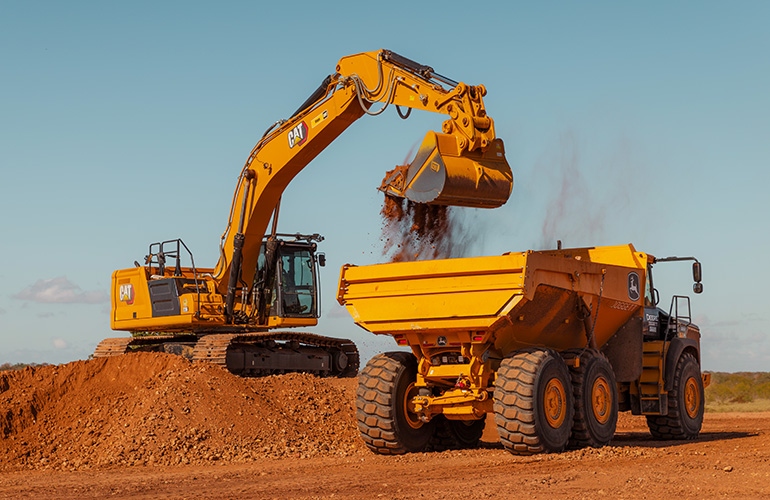
Bedrock does not build new machines. It makes a self-driving kit that retrofits onto existing construction and worksite vehicles, turning a contractor’s current fleet autonomous. In mid-August 2026 its fully autonomous excavators began performing paid work on live commercial job sites — the milestone this round is built on. Bedrock-equipped excavators are now commercially operating at a water treatment facility in Nevada, an earthwork site run by Champion Site Prep in Texas, and a 1.2 million-cubic-yard civil sitework project with Zachry Construction. The company says its customer base has more than doubled since 2025, and its newest partner is Haydon, an Arizona-based general contractor planning to use Bedrock machines across projects including advanced manufacturing facilities, water and wastewater, data centers, and healthcare.
The team and the labor math
Bedrock was founded in 2024 by autonomous-vehicle veterans. Co-founder and CEO Boris Sofman previously led Waymo’s self-driving trucks program and co-founded Anki Robotics; CTO Kevin Peterson and VP of engineering Ajay Gummalla are also Waymo veterans. The pitch leans on a real shortage: Bedrock says it takes five years or more to master operating an excavator, and the Associated Builders and Contractors trade association estimates more than 40% of construction workers will retire in the next five years. The new money will go to putting more equipped machines on sites and expanding the field, commercial, and operational teams behind them; the company also announced two senior hires, Amy Jones Satrom as VP of operations and Lando Juarez as general counsel.
Why it matters
Most “AI in construction” money has gone to software — estimating, scheduling, documents. Bedrock is the physical end of that trend reaching commercial scale: autonomy that retrofits the iron contractors already own, aimed squarely at the operator shortage rather than at headcount cuts. A $4.1 billion valuation for a two-year-old retrofit company says investors think the bottleneck on job sites is now labor, not software features. For contractors, the practical question is no longer whether autonomous excavation works — Bedrock’s machines are already billing hours — but whether the economics beat hiring scarce operators. That is a testable claim, and it is exactly the kind we track.
FAQ
How much did Bedrock Robotics raise, and at what valuation?
$600 million in a Series C round at a $4.1 billion post-money valuation, co-led by CapitalG and Emergence Capital. Total funding is now nearly $1 billion.
What does Bedrock Robotics make?
A self-driving kit that retrofits onto existing construction vehicles such as excavators, making them autonomous without buying new machines.
Where are Bedrock’s autonomous excavators working?
Commercially operating sites include a Nevada water treatment facility, a Champion Site Prep earthwork site in Texas, and a 1.2 million-cubic-yard civil sitework project with Zachry Construction.
Why is construction turning to autonomous equipment?
A shortage of skilled operators: mastering an excavator takes five years or more, and an industry trade group estimates over 40% of construction workers will retire within five years.
Sources: TechCrunch, GlobeNewswire