
Quick verdict
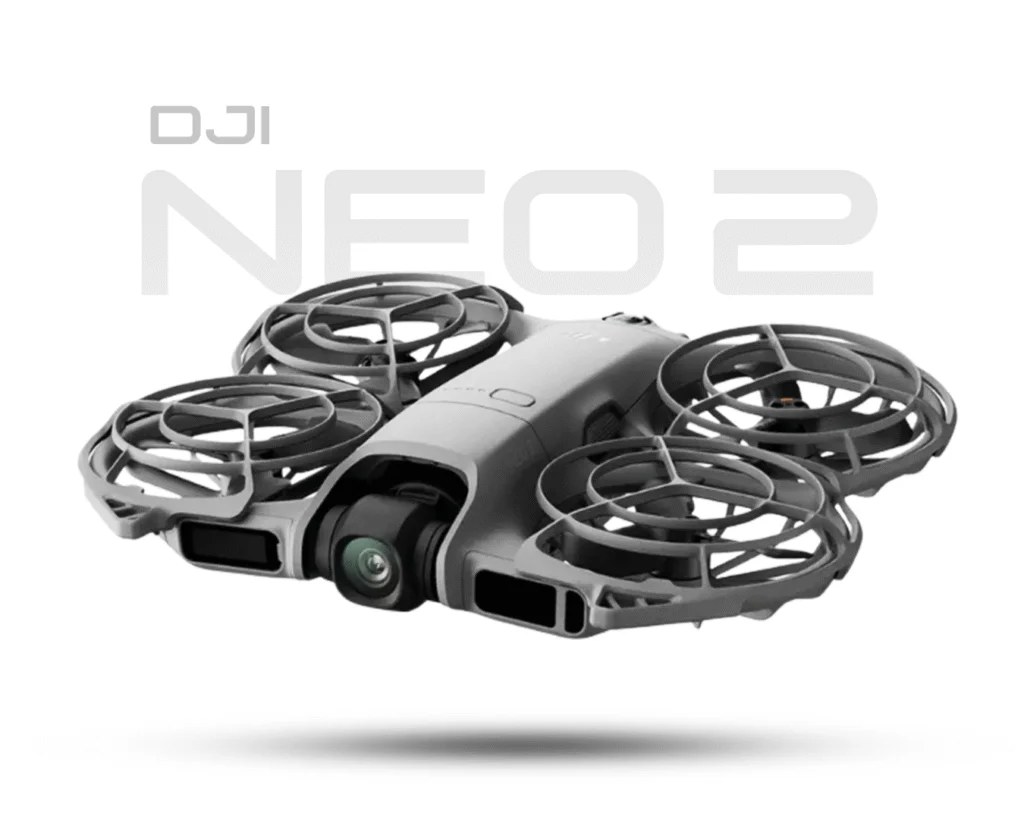
The DJI Neo 2 fixes the original Neo’s two biggest weaknesses — no obstacle sensing and shaky, single-axis video — in a palm drone that still needs no controller to fly. Launched globally on November 13 at £209 / €239, with US pricing reported around $259, the 151-gram Neo 2 adds forward-facing LiDAR with omnidirectional obstacle sensing, a 2-axis gimbal, 4K/60 video and 49GB of storage. Based on the specs, pricing and early reviews, it is the easiest serious selfie drone to recommend — with one big asterisk for US buyers, covered below.
What is the DJI Neo 2?
The Neo 2 is DJI’s second-generation palm-launch selfie drone. Like the original, it takes off from your hand, follows you using AI subject tracking, responds to gestures and voice, and lands back on your palm — no controller required, though it now also supports the RC-N3 remote, motion controllers and Goggles N3. At 151 grams (up from 135g) it stays well under the 250g threshold that triggers registration for recreational flyers in many countries, and the propeller guards are built in, which matters for a drone designed to fly close to people.
LiDAR, gimbal and camera upgrades
The headline change is sensing: a forward-facing LiDAR plus an omnidirectional vision system gives the Neo 2 real obstacle avoidance, which the original Neo lacked entirely — the single biggest reason beginners crashed it. The camera keeps a 1/2-inch sensor but gains a brighter f/2.2 lens and a proper 2-axis gimbal, so footage is visibly steadier. Video rises to 4K/60 in horizontal mode (and up to 4K/100 for slow motion when flown manually), with 2.7K/60 vertical video for social clips. Internal storage jumps from 22GB to 49GB, and an optional O4 transmission module extends range from Wi-Fi distance to up to 10km.
Flight performance
Tracking speed rises to 12 m/s, follow speed in sport mode is up to about 27 mph in DJI’s figures, and wind resistance improves to Level 5 — a stable hover in winds around 24 mph. The 1606mAh battery is rated for up to 19 minutes per charge, a minute more than the original; expect less with active tracking and wind. Bundles range from drone-only to a Motion Fly More Combo with goggles: the Fly More Combo (Drone Only) adds spare batteries and a charging hub, and the standard Fly More Combo adds the RC-N3 controller.
Pros and cons
- Pros: LiDAR plus omnidirectional obstacle sensing makes it genuinely beginner-safe; 2-axis gimbal and 4K/60 (4K/100 slow motion) video; palm launch, gesture control and AI tracking need no controller; 49GB storage; still under 250g at 151g; Level 5 wind resistance.
- Cons: No official US sales through DJI at launch — US availability runs through third parties, so warranty and seller checks matter; 19-minute rated battery is still short in real use; 1/2-inch sensor is a selfie camera, not a Mini-series rival for image quality; the best range needs the optional O4 module.
Who should buy the DJI Neo 2?
Buy it if you want a follow-me camera for runs, rides, hikes and family footage without learning to fly — it is the most forgiving drone DJI has made at this price. Original Neo owners gain real obstacle avoidance and much steadier video, a meaningful upgrade. Skip it if cinematic image quality is the goal (step up to a Mini 5 Pro), or if you are in the US and want a straightforward official DJI purchase with US warranty — in that case, verify the retailer’s returns and warranty terms before paying, or consider the discounted original Neo.
Frequently asked questions
How much does the DJI Neo 2 cost? It launched at £209 / €239 for the drone-only package, with US pricing reported around $259. Fly More bundles cost more: the Fly More Combo with the RC-N3 controller launched at £349 / €399.
Does the DJI Neo 2 have obstacle avoidance? Yes. A forward-facing LiDAR and omnidirectional vision system provide obstacle sensing — the key upgrade over the original Neo, which had none.
Does the DJI Neo 2 need FAA registration? At 151g it is under the 250g recreational threshold in the US, so recreational flyers generally do not need to register it; commercial Part 107 rules still apply to paid work.
Can I buy the DJI Neo 2 in the US? DJI stated the Neo 2 would not be officially available in the US through its official websites following the November 13 global launch. It has since reached US buyers through third-party sellers — check who is selling it and what warranty applies.
Price and availability
The DJI Neo 2 launched globally on November 13 in four packages, from £209 / €239 (about $259) drone-only up to the Motion Fly More Combo with goggles at £509 / €579. DJI did not sell it through official US channels at launch, so US buyers should purchase only from a retailer whose warranty and returns they trust. No Amazon link is included today because an exact, officially-supplied listing could not be verified live at publish time.