
Quick verdict
Ray-Ban Meta Audio Review 2026: Meta’s First Camera-Free AI Glasses
The Ray-Ban Meta Audio, on sale October 13, 2026 from $349, is Meta’s first pair of AI glasses with no camera at all — and that subtraction is the point. At 43 grams, with open-ear speakers, a six-microphone array and up to 12 hours of battery, it keeps the features people actually used most (music, calls, translation, the AI assistant) and drops the one that got camera glasses banned from pubs and side-eyed in public. Based on published specs, pricing and early reviews — not hands-on testing.
What Meta removed, and why
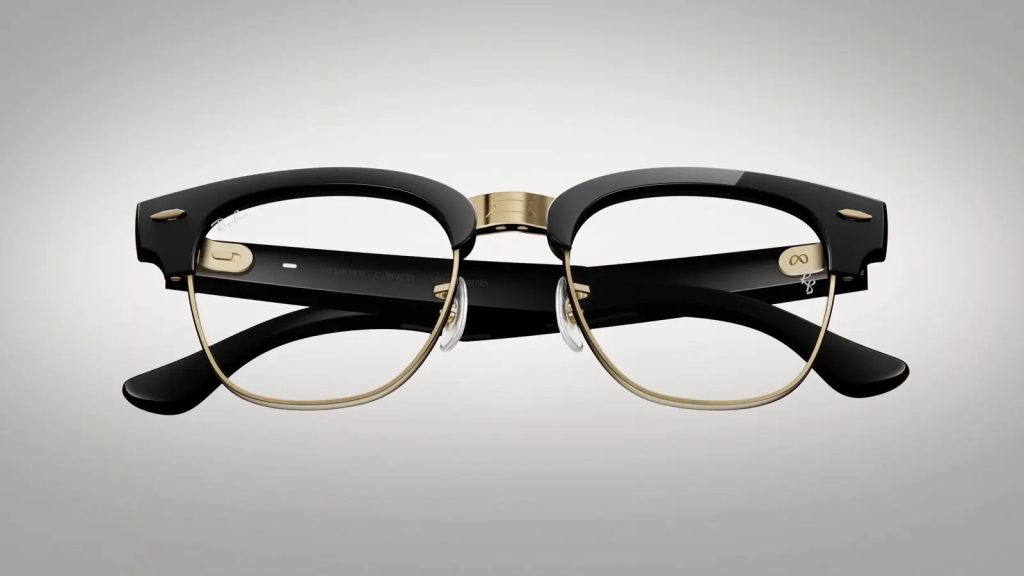
Every previous Ray-Ban Meta model led with its camera. The Audio leads with its absence. Meta says audio was its most popular glasses feature from day one, and the camera had become the product’s biggest liability: recording-consent backlash, venue bans, and wearers fielding questions about the little lens. The Audio answers with a cleaner trade — microphones and speakers only, in two classic Ray-Ban shapes, Clubmaster and Burbank, across 23 color and lens combinations, with prescription support.
How they sound and last, per early reviews
Engadget scored the Audio 8.5 out of 10, praising the weight and battery, and reported roughly 50% battery left after five hours of audio plus a one-hour call. The Verge was cooler on sound quality, calling them a good pair of open-ear headphones rather than a great one — treble can turn tinny at high volume, sound leaks, and loud environments drown them out, as with all open-ear designs. Meta rates typical battery life at up to 12 hours, with up to 48 more hours from the charging case; continuous playback is the harder test, and six hours is the figure Meta puts against uninterrupted audio. Fit hardware is upgraded over earlier models: adjustable temple tips, swappable nose pads and overextension hinges, at 43 grams per Meta (one reviewer weighed the Clubmaster at 47 grams).
Key specs
- Camera: none — audio-only by design; the front recording LED is gone too
- Audio: open-ear speakers, six-microphone array
- Battery: up to 12 hours typical use per charge; up to 48 additional hours from the case
- Weight: 43g (Meta figure)
- Frames: Clubmaster and Burbank; 23 color/lens combinations; prescription-compatible
- AI: Meta AI assistant, calls, music, translation; Muse personal agent promised in the coming months (ships with the smaller Muse Spark model)
- Price: from $349
What you give up
No camera means no photos, no video, and — the gap reviewers missed most — no visual AI: you cannot ask the glasses to identify an object, read a sign or translate a menu by looking at it. The action button is also simpler, handling music or Meta AI but not answering or muting calls. And Meta’s announced FDA-cleared hearing-enhancement feature is not available yet at launch. Note the privacy trade is smaller than the marketing suggests: the camera is gone, but early reviews point out Meta still stores voice-assistant audio, and US users can no longer opt out of that.
Who the Ray-Ban Meta Audio is for
Glasses wearers who want all-day open-ear audio, hands-free calls and an assistant without earbuds — and who work or socialize in places where a camera on your face is unwelcome or banned. Against the range: the camera-equipped Ray-Ban Meta (Gen 3) starts at $449 with up to nine hours of battery; the Audio is $100 cheaper, lasts longer, and weighs less.
Pros and cons
- Pros: no camera, so no recording-consent friction; light 43g frames in genuine Ray-Ban styles; strong battery for the category; $100 less than the Gen 3 camera model.
- Cons: no visual AI at all; open-ear sound leaks and thins out at volume; action button cannot manage calls; hearing feature and Muse agent not yet live.
Frequently asked questions
How much do the Ray-Ban Meta Audio glasses cost? From $349 in the US, on sale from October 13, 2026 through Meta, Ray-Ban and selected retailers, in Clubmaster and Burbank frames.
Do the Ray-Ban Meta Audio glasses have a camera? No. They are Meta’s first camera-free AI glasses — speakers and microphones only, for music, calls, translation and the AI assistant.
How long does the battery last? Meta rates up to 12 hours of typical use, with up to 48 additional hours from the charging case. Continuous music playback is shorter — around six hours is the figure Meta cites for uninterrupted audio.
What is the difference between Meta Audio and Ray-Ban Meta Gen 3? The Gen 3 (from $449) has a 12MP camera, 3K video and up to nine hours of battery. The Audio ($349) has no camera, up to 12 hours of battery, and a lighter 43g frame.
Price and availability
The Ray-Ban Meta Audio starts at $349 and went on sale October 13, 2026, sold by Meta, Ray-Ban and selected retailers — including Amazon, where the Burbank Standard was listed at $349 at launch.
As an Amazon Associate we earn from qualifying purchases.