
Quick verdict
What Is a Chatbot? A Plain-English Guide for Beginners
Updated October 16, 2026 – Tested Intelligence
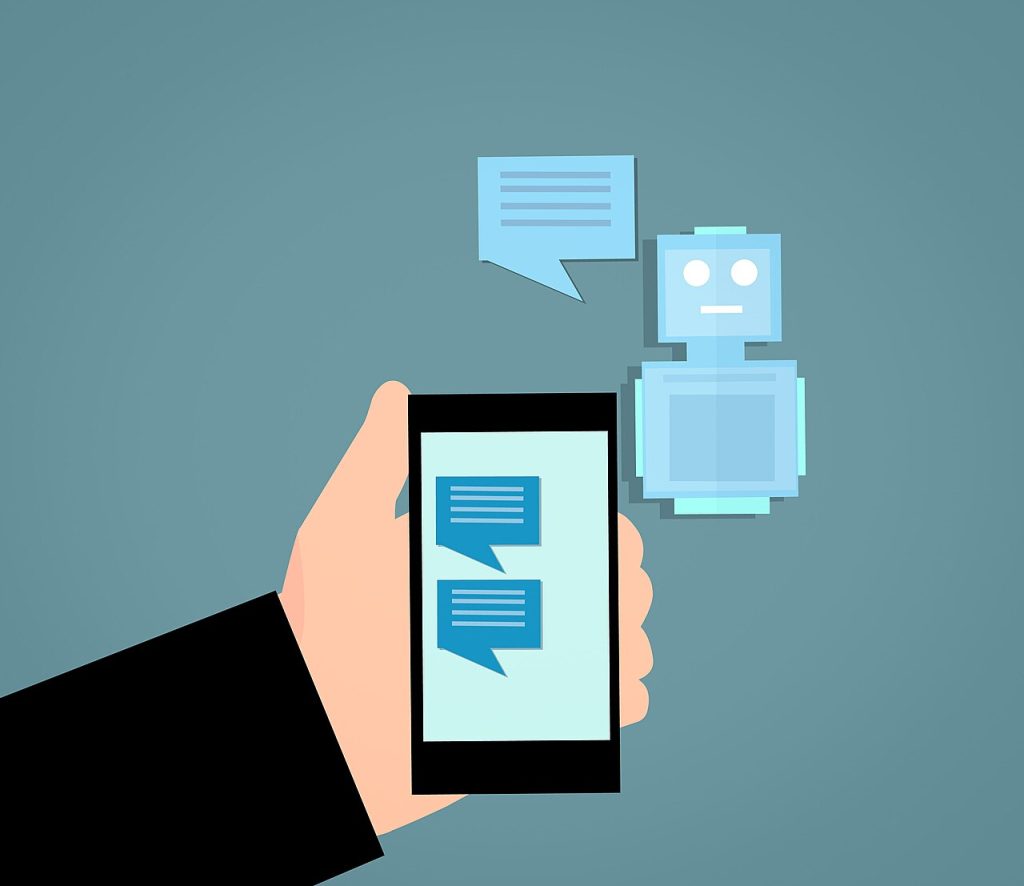
A chatbot is a computer program you can have a conversation with, usually by typing — and sometimes by talking. You ask it something in ordinary words, and it answers back in ordinary words. If you have ever typed a question into the little chat box on a store’s website, chatted with your bank’s app, or used ChatGPT, you have used a chatbot.
The short answer
A chatbot is software designed to simulate conversation. Some chatbots are simple and can only answer a short list of questions they were programmed for. Others, like ChatGPT, Claude and Google Gemini, are powered by advanced AI and can discuss almost any topic, write essays and emails, summarize documents, help with homework, and much more. The word “chatbot” covers both the simple kind and the smart kind, which is where most confusion comes from.
How chatbots work, in everyday terms
The older kind works like a vending machine. A person writes out questions the bot might receive — “Where is my order?” “What are your hours?” — and pairs each with a ready-made answer. When you type, the bot looks for keywords and serves the matching answer. If your question is not on its list, it gets stuck, which is why older help-chat bots often felt like talking to a brick wall. Many store, airline and phone-company help chats still work this way.
The newer kind works like a very well-read guesser. Modern AI chatbots are built on something called a large language model — a program trained on enormous amounts of text that learned the patterns of language itself. When you type a message, it reads your words (which it processes in small chunks called tokens, roughly pieces of words) and predicts a sensible response, one small piece at a time, the way your phone’s keyboard suggests the next word — just vastly more capable. That is why it can answer questions nobody specifically programmed it for, in its own words, on almost any subject.
One thing worth knowing: a chatbot does not look answers up in a fact book, and it does not truly understand you the way a person does. It produces answers that sound right based on patterns — and while they usually are right, it can sometimes state wrong things with total confidence. Treat it the way you would a knowledgeable friend: helpful, but worth double-checking on anything that matters.
Chatbots you have probably already met
- Customer-service chats on shopping, bank and travel websites — often the simpler, scripted kind, handing you to a human when the question gets complicated.
- ChatGPT (from OpenAI), Claude (from Anthropic) and Gemini (from Google) — the general-purpose AI chatbots you can ask about nearly anything, free to start.
- Voice assistants like Alexa, Siri and Google Assistant on smart speakers and phones — chatbots you talk to out loud instead of typing — and Microsoft Copilot, built into Windows and Microsoft’s apps.
What people actually use chatbots for
Everyday uses include explaining confusing topics in plain language (“explain my electric bill like I’m a beginner”), drafting and polishing emails, summarizing long articles or documents, translating, brainstorming ideas, helping kids with homework (explaining the steps, not just giving answers), planning meals and trips, and answering quick questions at 2 a.m. when no human support desk is awake. Businesses use them to answer routine customer questions instantly, at any hour.
Frequently asked questions
Is ChatGPT a chatbot?
Yes — ChatGPT is the best-known AI chatbot. “Chatbot” is the general category; ChatGPT, Claude and Gemini are specific chatbots, each made by a different company, the way “car” is the category and a Ford or Toyota is a specific one.
Are all chatbots AI?
Not really. The simple help-desk kind follows scripts a person wrote and has no real AI behind it. The modern kind (ChatGPT and its rivals) is genuine AI, built on large language models. When people say “chatbot” today, they usually mean the AI kind.
Can a chatbot remember me?
Within one conversation, modern chatbots use your earlier messages as context. Some, like ChatGPT, also have a memory feature that saves preferences and facts between conversations. They do not learn or train themselves on your chats between sessions — what feels like “learning you” is that saved memory plus the current conversation.
Are chatbots safe to use?
Generally yes for everyday questions, with two cautions: never share passwords, bank details or other sensitive personal information, and verify important answers (health, money, legal) against a trusted source, because chatbots can be confidently wrong.
What’s the difference between a chatbot and an AI agent?
A chatbot mainly answers. An AI agent goes further: it can plan and carry out multi-step jobs for you using tools — browsing the web, filling in forms, preparing documents — rather than just replying in the chat window.
Your first step
Pick one free chatbot — ChatGPT is the common starting point — and ask it something genuinely useful today: explain a topic you’ve always been fuzzy on, or help draft a message you’ve been putting off. Two minutes of trying teaches you more than any guide, including this one.