
Quick verdict
Muse S (2nd Gen) Review 2026: The Brain-Sensing Headband for Sleep and Meditation
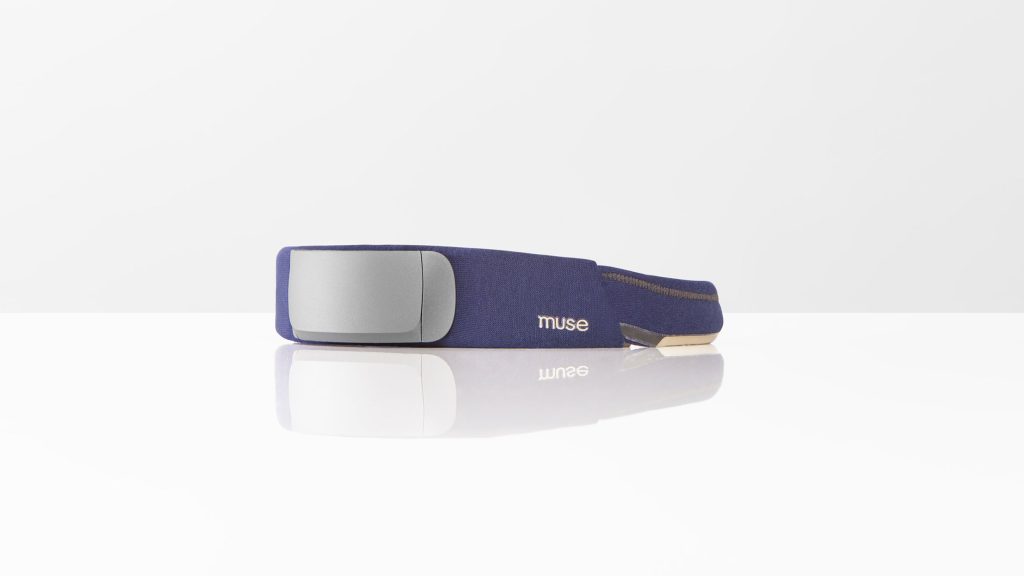
The Muse S (2nd Gen) is a soft fabric headband with EEG brain sensors that does two jobs no wrist tracker can: it gives you real-time feedback while you meditate, and it tracks your sleep from actual brain activity overnight. At $400, it is a niche device with a genuine trick — EEG-based sleep staging that reviewers found accurate. Based on specs, pricing, and published reviews, it is the best pick for meditation practitioners who want biofeedback and curious sleepers who want brain-level sleep data — if you can sleep in a headband.
Key features
The headband carries EEG sensors along the brow line, plus PPG heart-rate sensing, an accelerometer, a gyroscope, and pulse oximetry — a sensor suite aimed squarely at sleep and mindfulness rather than fitness. The second generation improved the fit for more head sizes (forty-six to sixty-three centimeters), upgraded signal quality, and made the fabric more durable than the first Muse S.
For meditation, the Muse app delivers real-time audio feedback during sessions: when the EEG detects a wandering mind, the soundscape shifts to guide you back to calm, and each session ends with a calm score you can track over time. Reviewers consistently say this loop — immediate feedback, visible progress — is what turns sporadic meditators into daily ones. The app also offers Mind, Heart, Body, and Breath experiences that layer heart rate, movement, and breathing data into the practice.
For sleep, the headband tracks your night from brain activity and generates a sleep score with deep sleep insights and position tracking. Its signature feature is the “Digital Sleeping Pill”: go-to-sleep journeys with guided soundscapes that react to your brain activity, heart rate, and movement in real time to ease you into sleep — and help you fall back asleep if you wake during the night. The ten-hour battery comfortably covers a full night plus a morning meditation. Charging is via Micro-USB.
A Guided Meditation Subscription (around $12.99 a month or $94.99 a year) unlocks a library of hundreds of guided meditations and sleep content. Importantly, reviewers confirm the core features — real-time meditation feedback and sleep tracking — work without it.
Who it’s for
Meditation practitioners — especially beginners who struggle to build the habit — who will benefit from real-time biofeedback and calm scores. It also suits sleep-data enthusiasts who want EEG-based sleep staging rather than wrist-inferred data. If you meditate with an app today and wish something would tell you when your mind drifts, this is that something.
What to watch out for
The central question is physical: can you sleep wearing a headband? Reviewers are split. Some find the soft fabric comfortable enough for all-night wear; others report pressure on the forehead and behind the ears waking them up after a few hours, and loosening the band breaks the sensor contact. If you sleep on your side or cannot tolerate anything on your head at night, the sleep features are money wasted.
The $400 price is steep for a single-purpose device: the travel case is a separate purchase, and the richest meditation library sits behind the subscription. The Micro-USB charging port feels outdated, and the headband only works with the Muse app — it will not feed your meditation data into other mindfulness apps.
Also know that InteraXon has since released the Muse S Athena, a newer headband with additional sensors, which may make the 2nd Gen harder to find new. Check availability carefully, and consider whether the latest model fits your needs better before buying.
Pros and cons
Pros:
- EEG-based sleep tracking with sleep score and deep sleep insights
- Real-time meditation biofeedback that builds the daily habit
- Digital Sleeping Pill soundscapes react to your brain in real time
- Comfortable lightweight fabric; washable; ten-hour battery
- Core meditation and sleep features work without a subscription
Cons:
- $400 for a single-purpose device
- Many people cannot comfortably sleep in a headband
- Travel case sold separately; best content needs a subscription
- Micro-USB charging; works only with the Muse app
- Newer Muse S Athena exists — 2nd Gen stock may be limited
FAQs
How does the Muse S track sleep differently from a smartwatch?
A smartwatch infers sleep stages from wrist movement and heart rate. The Muse S measures EEG brain activity directly from your forehead, which is the same signal sleep labs use to stage sleep — reviewers found it impressively accurate.
What is the Digital Sleeping Pill?
It is Muse’s name for responsive go-to-sleep journeys: guided soundscapes that adjust in real time based on your brain activity, heart rate, and movement to help you fall asleep — and fall back asleep if you wake up.
Do I need the Muse subscription?
No. The core features — real-time meditation feedback and sleep tracking — work without it. The subscription (about $12.99/month or $94.99/year) unlocks hundreds of additional guided meditations and sleep programs.
Can you actually sleep comfortably wearing it?
It depends on the sleeper. Reviewers praise the soft fabric but note pressure can build on the forehead and behind the ears over several hours. If you are sensitive to headwear at night, try before committing.
How long does the battery last?
The rechargeable battery is rated for about ten hours — enough for a full night of sleep tracking plus meditation sessions.
Price and availability
The Muse S (2nd Gen) launched at $399.99 through InteraXon’s own store. Note that the company has since released the newer Muse S Athena, so 2nd Gen units may be harder to find new — check current stock and compare with the latest model before buying. We could not verify a current listing for the 2nd Gen on Amazon, so no link is included here.