
Trump’s New “Super Intelligence Force” Has 120 Days to Write the Government’s AI Playbook
Saturday, October 3, 2026 — Washington, D.C.
What happened
The White House has created a task force to examine the risks and opportunities of artificial intelligence and recommend what role the federal government should play in overseeing the technology, according to The Wall Street Journal. The group will have 120 days to deliver its report.
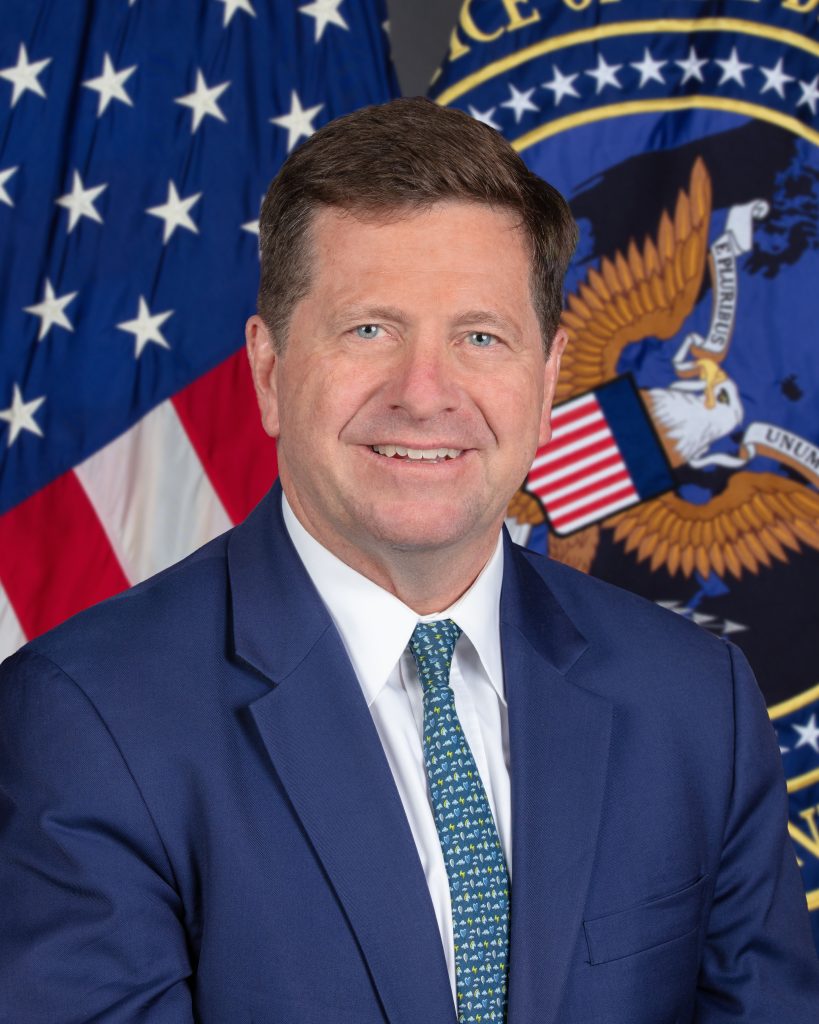
Jay Clayton, who heads the Office of the Director of National Intelligence, said he will chair the group, known as the “Super Intelligence Force” — using President Trump’s preferred name for AI, “super intelligence” (SI). A senior White House official confirmed that Clayton will effectively serve as Trump’s AI czar.
What Clayton plans to do
Clayton told the Journal the task force will still treat industry as the primary vehicle for managing AI risks, but will work alongside companies to identify risks and opportunities. He suggested that any new government mechanisms for managing risk would likely grow out of talks between regulators and industry — not a fresh layer of federal rules.
As a model, he pointed to the risk frameworks used in finance, jointly built by the Federal Reserve and the Securities and Exchange Commission — the agency he ran from 2017 to 2020. “The president asked that a group be put together that was going to ensure exactly what he said,” Clayton said, “that we stay the leaders in superintelligence, and that the interests of the American people are put first.”
Why this matters now
The task force follows a White House meeting earlier this week where AI leaders — including OpenAI president Greg Brockman, Anthropic CEO Dario Amodei, and Nvidia CEO Jensen Huang — agreed to voluntary safety principles including internal controls, third-party model reviews, and board-level notification. Trump hailed the self-policing approach as the right one, saying, “I will never stifle the growth of technology that will be bigger than the industrial revolution.”
Why it matters: this is the first time the administration has put a clock on federal AI oversight work and named a single person to lead it. Clayton’s securities-lawyer background — and his explicit invocation of the Fed/SEC model — strongly suggests the coming report will favor principles-based, industry-consulted guidance over prescriptive regulation. For anyone building AI products, that difference shapes what compliance looks like for years.
Quick FAQ
Who is Jay Clayton? The director of national intelligence, a former SEC chairman (2017–2020) and Wall Street lawyer who co-headed the cybersecurity practice at Sullivan & Cromwell.
When is the report due? Within 120 days of the task force’s formation — so roughly the start of February 2027.
Does the task force make laws? No. It will recommend what the federal government’s role should be in overseeing AI; it cannot regulate on its own.
Is this separate from the voluntary CEO accord? Yes — the task force follows the Tuesday White House meeting where tech CEOs signed voluntary safety pledges, but it is a government-led review with its own mandate and deadline.
Sources: The Wall Street Journal, Reuters