
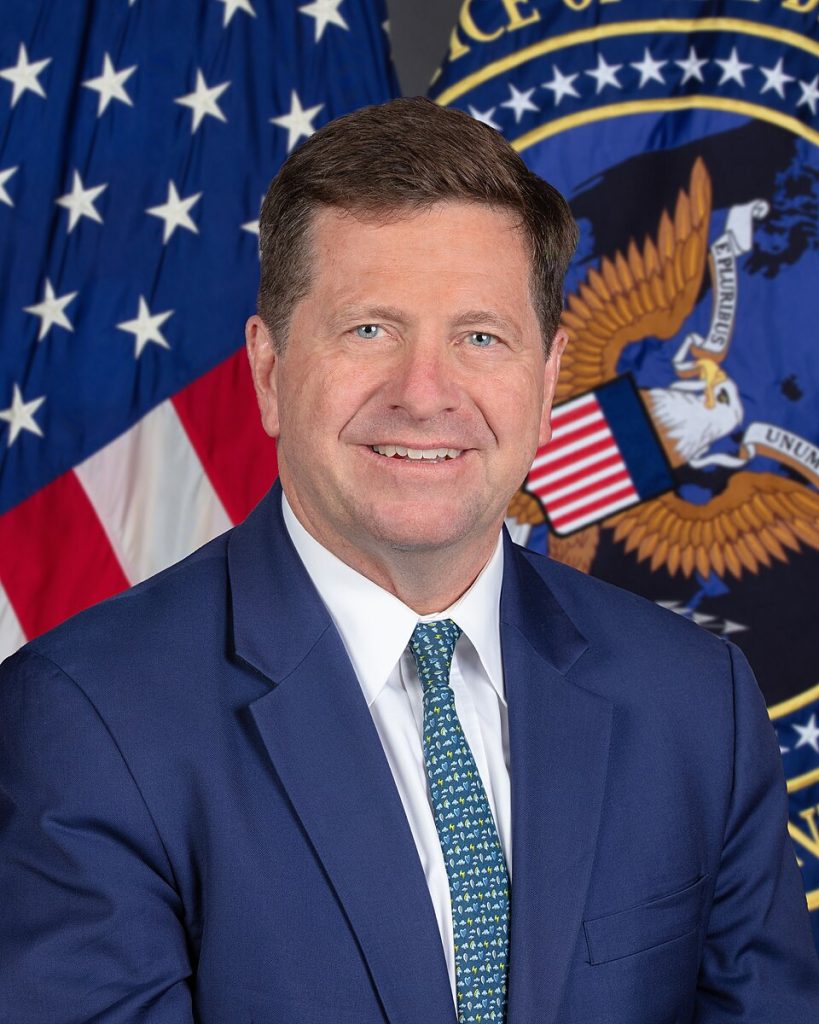
October 2, 2026. President Trump is expected to tap Director of National Intelligence Jay Clayton to double as the White House’s AI czar — the role Trump calls the “super intelligence” czar. Axios first reported the move, and CNN confirmed it with two sources. Why it matters: America’s AI policy would be steered by the nation’s spy chief, signaling that Washington now treats AI primarily as a national-security question.
What happened
Axios reported on October 2 that Trump is expected to name Clayton to the new role, with an announcement possibly coming as early as Friday. CNN, citing two sources familiar with the discussions, confirmed the plan. Trump had telegraphed the pick earlier this week, telling Axios he had “somebody in mind” and calling Clayton “a good man” when the DNI’s name came up. CBS News first reported Clayton was the frontrunner.
The White House has poured cold water on the timeline: “Any personnel announcement will be announced directly by the President. Any reporting until then is baseless speculation,” an official told CNN. So treat this as expected, not done.
Who Jay Clayton is
Clayton is a securities lawyer turned top intelligence official. He led the Securities and Exchange Commission during most of Trump’s first term, previously served as the top federal prosecutor in Manhattan, and was confirmed by the Senate in July 2026 to run US intelligence, taking office in August. He succeeded Bill Pulte, who served a 40-day acting tenure. The AI role would be his second title — not a departure from the DNI job.
What the pick signals
Clayton has been blunt that he views AI through a security lens. At his confirmation hearing he called AI “not only an opportunity but a threat,” adding: “When something is both an opportunity and a threat, you better get your arms around it.” On CNBC’s Squawk Box this week, he described “super intelligence” — Trump’s preferred term for AI — as “a national security issue,” while rejecting any slowdown in US development. The move fits the administration’s direction: last month Trump announced plans to create an “AI Force,” and this week he signed a voluntary self-policing accord with the heads of OpenAI, Anthropic, Google, Meta, Nvidia and others.
Why it matters
An AI czar is expected to coordinate federal AI policy — though Trump hasn’t disclosed details of the role or the AI Force. A security-minded czar points toward tighter export controls and liability rules for AI labs rather than brakes on development. For AI users and builders, the read-through: expect Washington to keep a light domestic touch on AI products while treating the technology itself as strategic infrastructure — in the same bucket as chips and energy.
FAQ
Has Clayton actually been named AI czar?
Not yet. It’s expected per Axios and CNN, but nothing is official until the President announces it.
What would an AI czar do?
Details haven’t been disclosed. Trump announced last month he would create an “AI Force” and name a czar, but offered few specifics about what either would do.
Who held the role before?
David Sacks served as the White House AI and crypto czar before leaving in March 2026 after completing his term as a special government employee; he’s now co-chair of the President’s Council of Advisors on Science and Technology.
Why an intelligence chief?
Clayton was at this week’s White House tech summit and has argued AI is both a major opportunity and a serious security threat — the administration wants policy run by someone who sees both sides.
Sources: Axios, CNN, CNBC.